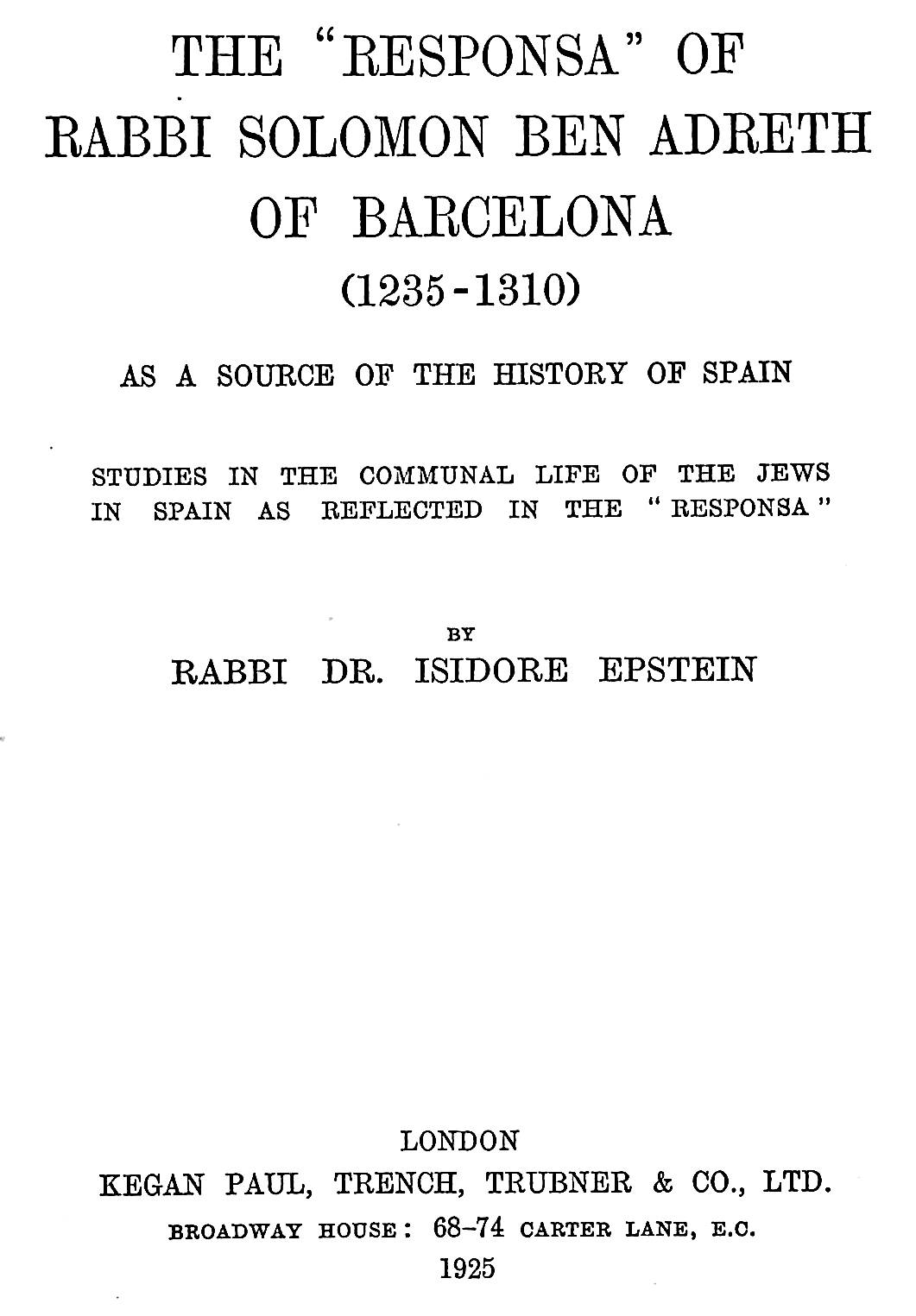
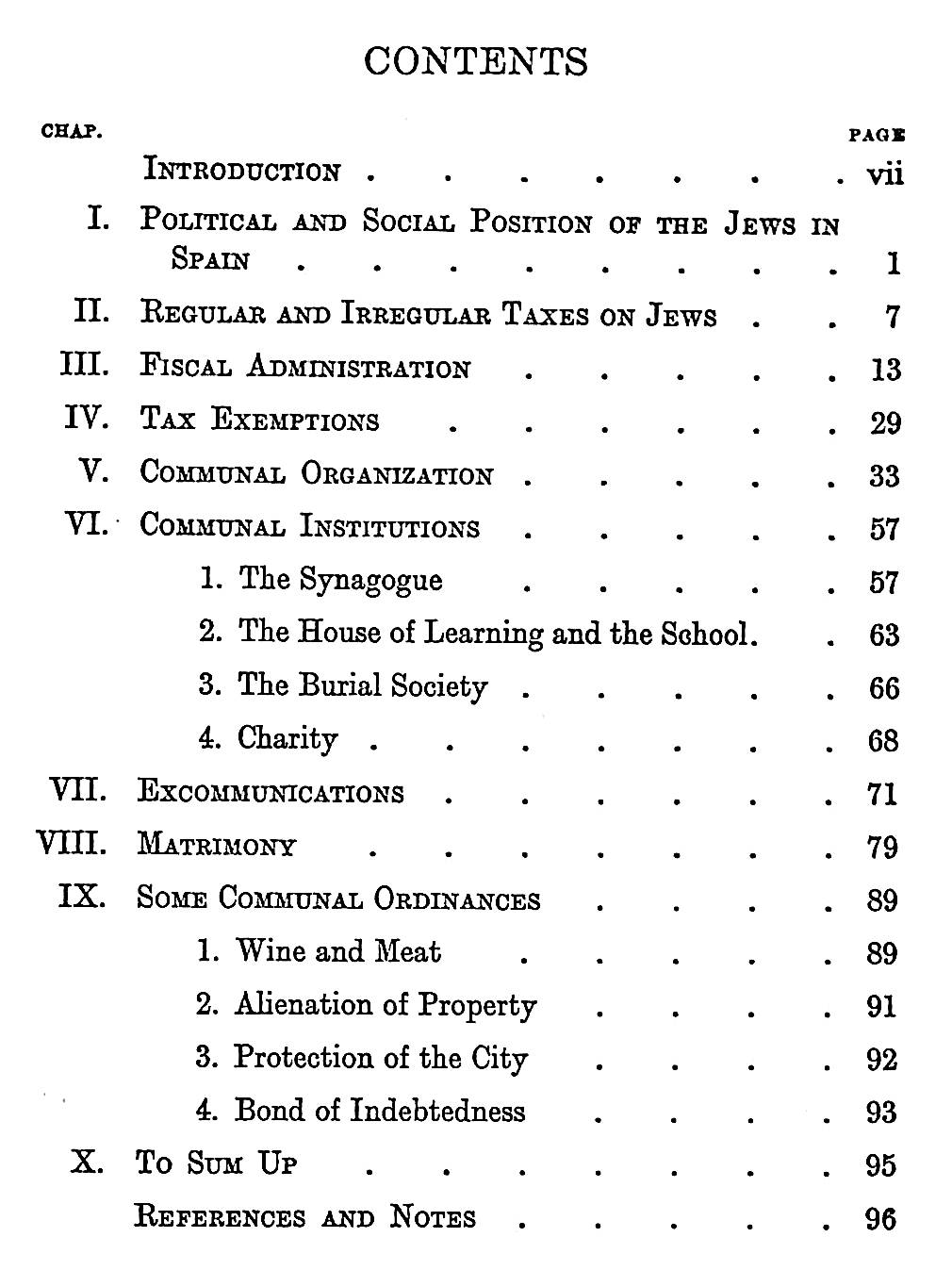
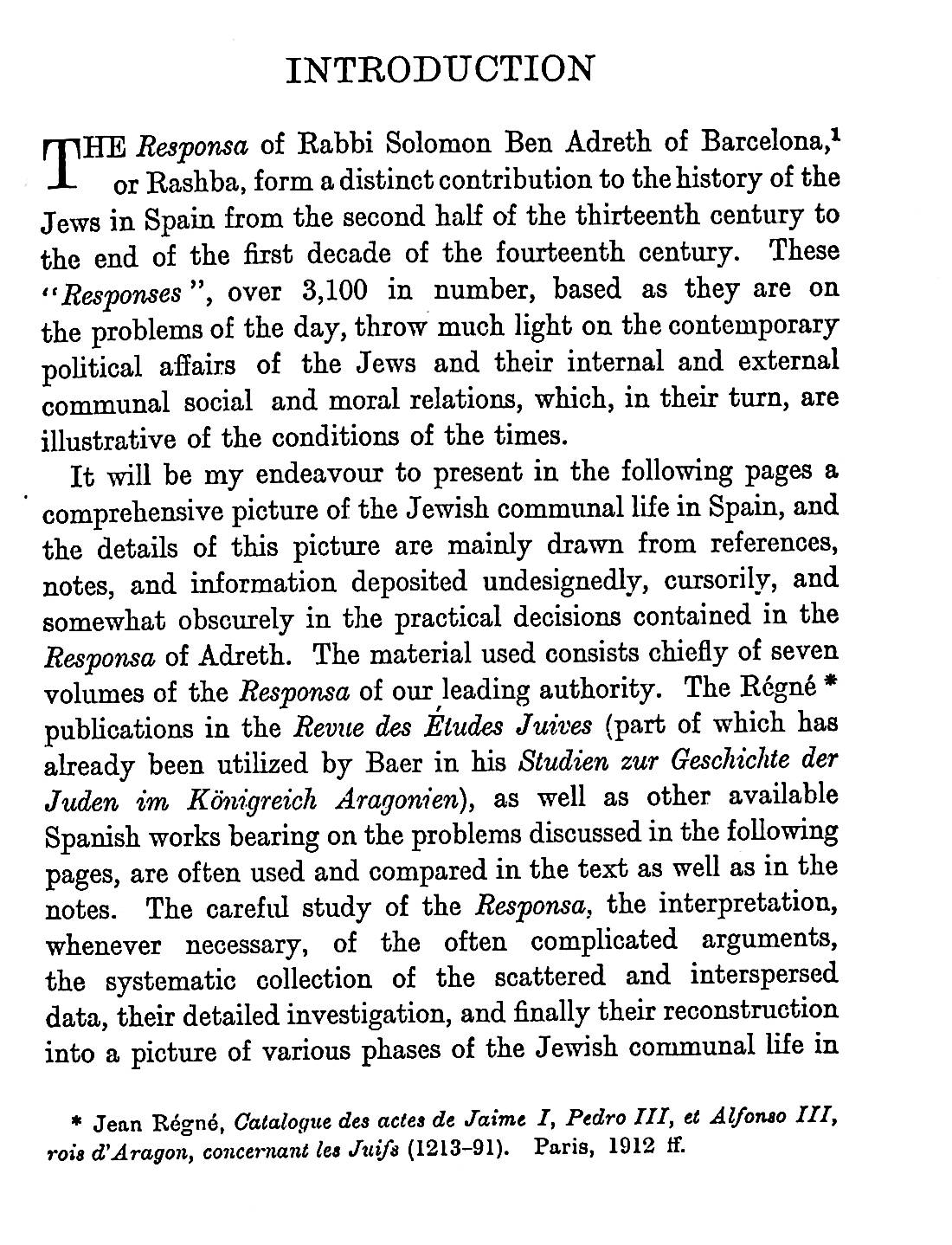
 This interesting book uses some of the 3,100 ‘Responsa’ (questions and answers) of Rabbi Solomon Ben Adreth of Barcelona (known as RaSHBA) as a source of the history and communal life of the Jews in Spain, particularly Aragon in the 13th century CE.
It was the Ph.D. thesis of Rabbi Dr. Isidore Epstein, and probably his earliest publication.

Ezekiel Isidore Epstein was an English orthodox rabbi, Jewish studies scholar, and Jewish educator. He edited the first complete English translation of the Babylonian Talmud (the Soncino Talmud), served as the Principal of Jews’ College, London, and was the author of numerous scholarly and popular books on Judaism.
Rabbi Epstein was born in Kovno, Lithuania, on 7 May 1893. The family moved to Paris, France, when Epstein was very young, and, in 1903, moved again to London. There, he attended Old Castle Street School[7] and Raine’s Foundation School.
At the age of fifteen, he studied Talmud at Great Garden Street’s beis midrash. Due to the quality of his work, he was sent to study at the Pressburg Yeshiva under Rabbi Akiva Sofer. He received semicha (his rabbinical certification) from Rabbi Isaiah Silberstein of Vác, Rabbi Israel Chaim Daiches of Leeds, and Rabbi Abraham Isaac Kook while the latter was based in London during World War I.
Rabbi Epstein was rabbi of Middlesbrough Hebrew Congregation from 1920 to 1928, and then joined the teaching staff of Jews’ College, London. In 1945, he was appointed Director of Studies and, subsequently, Principal. He retired in 1961.
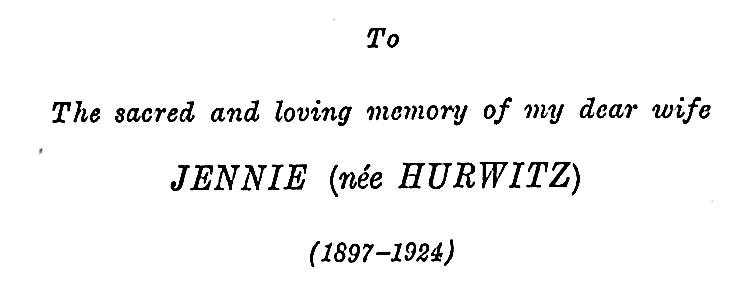 Rabbi Epstein married twice. His first wife, Jeanie, was from Belfast. She tragically died at the age of 27 after the birth of their second child, and this book is dedicated to her. Rabbi Epstein married again, to his second wife, Gertrude. He died on 13 April 1962.
The late Rabbi Raymond Apple, in an obituary for Rabbi Epstein wrote that the historian Cecil Roth once divided Epstein’s writings into three stages. The first was rabbinic responsa, to which he devoted his first books; he was the pioneer of treating the responsa literature as a facet of Jewish history. He moved onto the Soncino Talmud, where his annotations were added to more or less every page. His third stage was books on Jewish thinking – not just Maimonides and Judah Halevi but the ideas and ideals of Judaism.

 Jewish Miscellanies