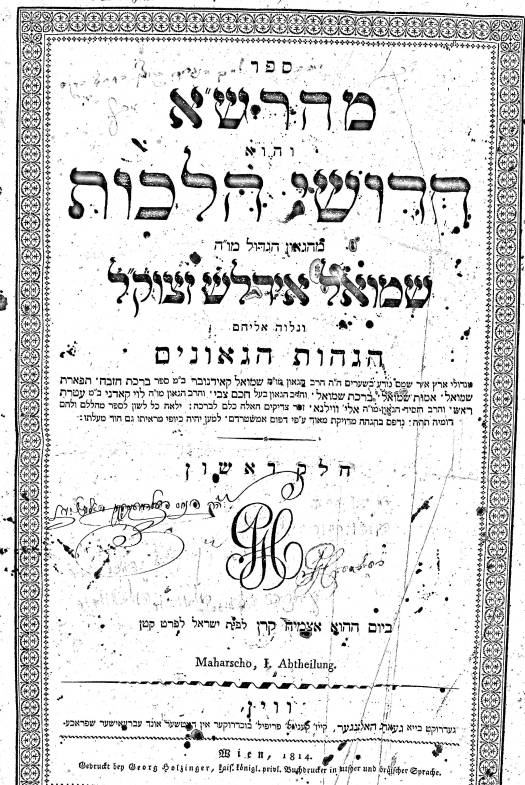
 This large, heavy volume is from my antiques book collection.
Samuel Eliezer, the son of Judah ha-Levi Eidels (known as MaHaRShA—Morenu Ha-Rav Shemu’el Eidels), was one of the foremost Talmudic commentators. Born in Cracow in Poland in 1555, he moved to Posen in his youth, where he married the daughter of R. Moses Ashkenazi Heilpern. His mother-in-law, Eidel, by whose name he was later known, was a wealthy woman and supported him and his numerous disciples for a period of 20 years (1585–1605). After her death, MaHaRShA took up a rabbinic position in Chelm. In 1614 he was appointed rabbi of Lublin, and in 1625 of Ostrog, where he founded a large yeshivah.
In 1590 Rabbi Eidels participated at a session of the Council of the Four Lands which pronounced a ban on those who purchase rabbinic office. MaHaRShA was held in high esteem by the scholars of his day. R. Joel Sirkes in his address to the leaders of the Council of the Four Lands in Lublin, said: “You have in your midst the greatest man of the present generation . . . with whom to consult and deliberate.”
He died in 1631.
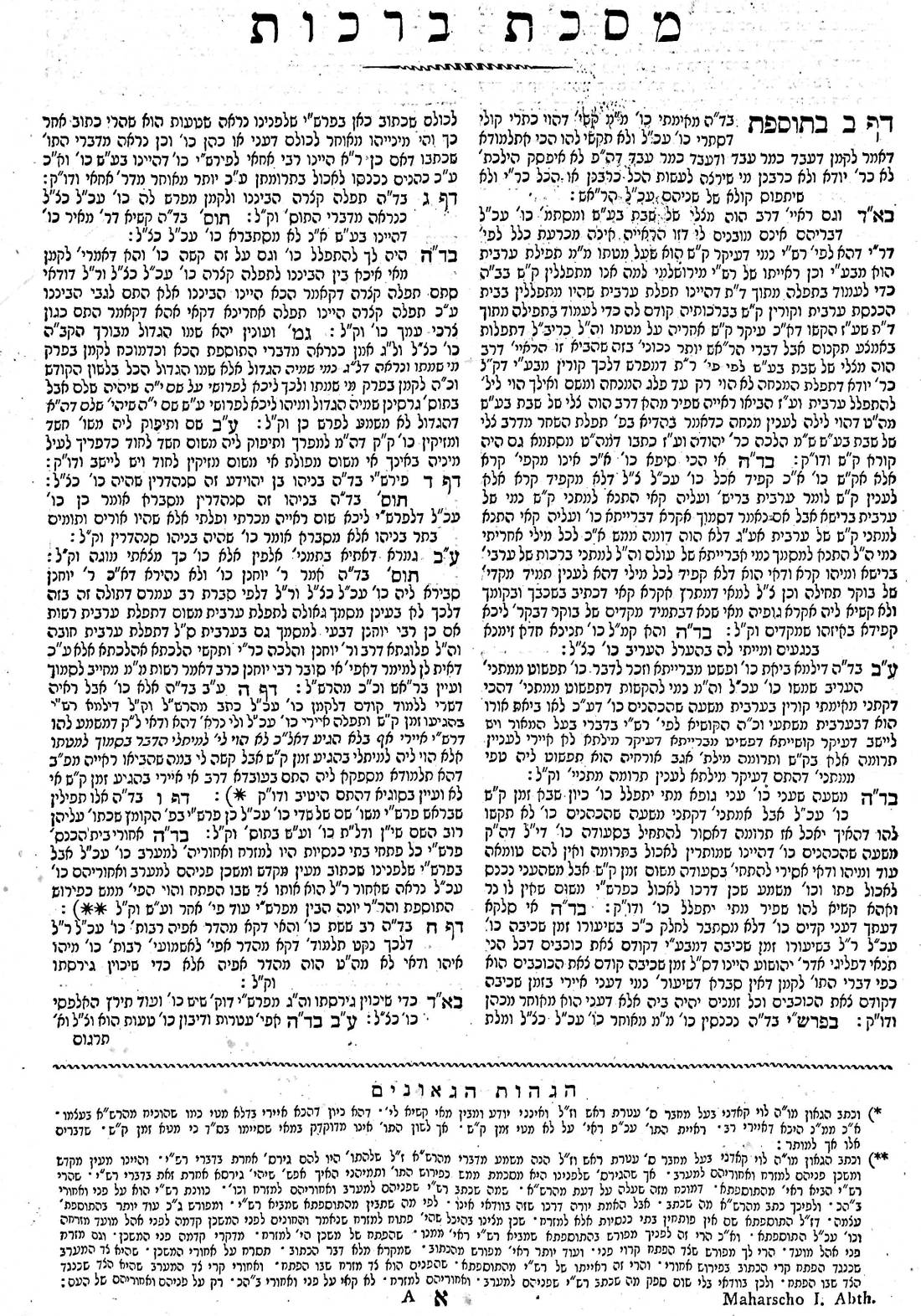
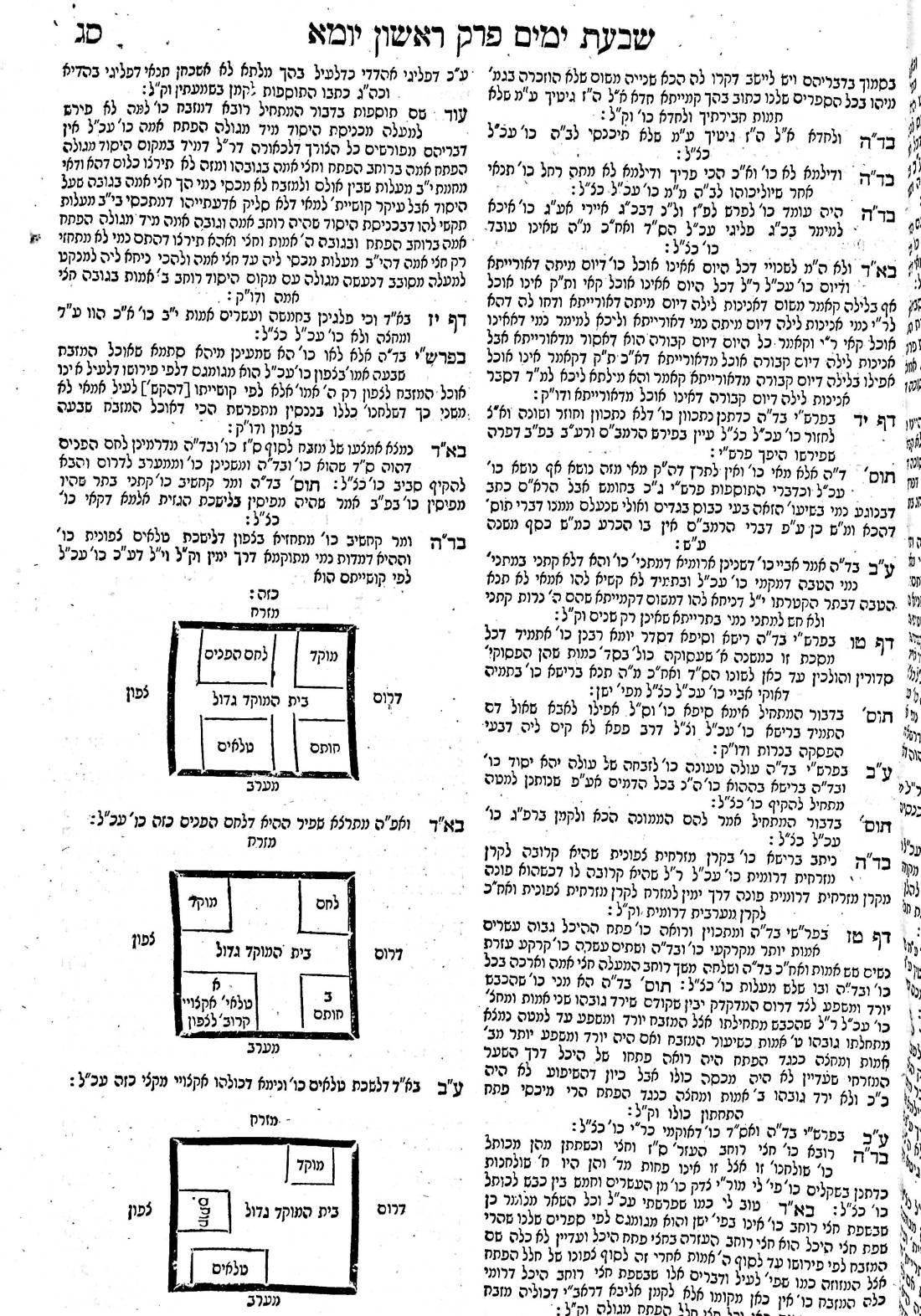
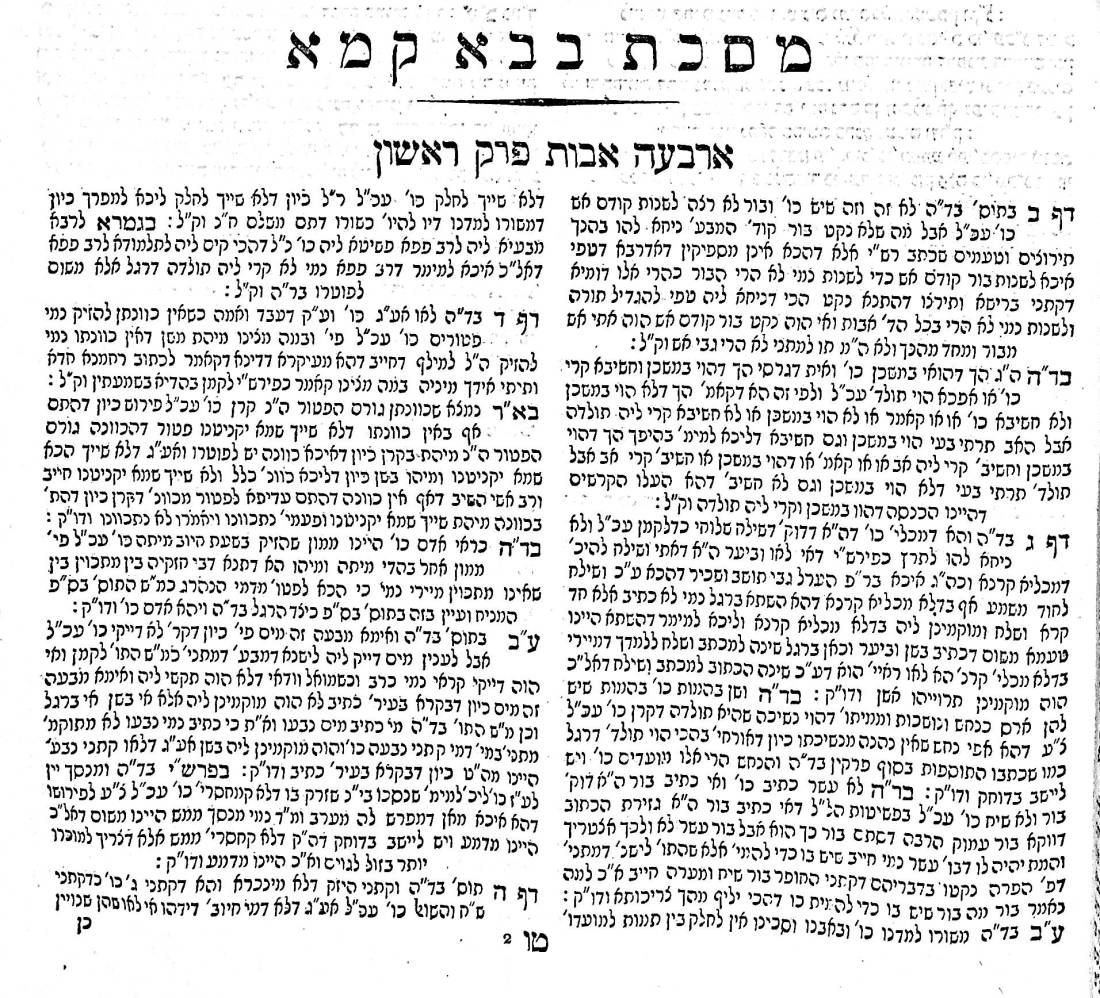
Chidushe Halachos (which means Novellae or new interpretations in Jewish law) is one of the classical works of talmudic literature, included in almost every edition of the Talmud. It is incisive and analytical and explains the talmudic text with profundity and ingenuity. In his introduction to the work he writes that “out of love for terseness” he would refrain from elaboration. He ends most of his comments with the phrases: “And weigh carefully” or “And the meaning is simple” although in reality it is far from clear and many later scholars often found difficulty in understanding his point. Often he poses a difficulty and says: “And this may be solved,” leaving it to the students to find the answer. He attempts to explain the difficult talmudic stories in a rational manner, sometimes taking them as parables with interpretations which are at variance with their literal meaning. This book gained such wide currency that an understanding of MaHaRShA’s comments has come to be regarded as one of the qualifications of the average talmudic scholar.




 Jewish Miscellanies