 Rabbi Joseph Shaposhnick (Shapotshnick) was eventually to become, after he emigrated to London, a controversial and divisive rabbi in the rabbinical world. He was born in Kishinev in 1892 and in 1902, when he was just 20 years old, long before the controversies, the young prodigy had this, his first book, published in Odessa.
As I have written before, Rabbi Joseph Shaposhnick was like Marmite – you either loved him or hated him. He came to London in 1913 and settled in the East End, where he soon became a well known chassidic character. He was already a published author in Europe, and when he came to London became amazingly prolific.
Rabbi Shaposhnick was brilliant, well-meaning, flawed and ultimately discredited in the eyes of the Charedi community to which he belonged. You can read more about him in Rabbi Pini Dunner’s excellent essay, entitled Rebel Rabbi of London.
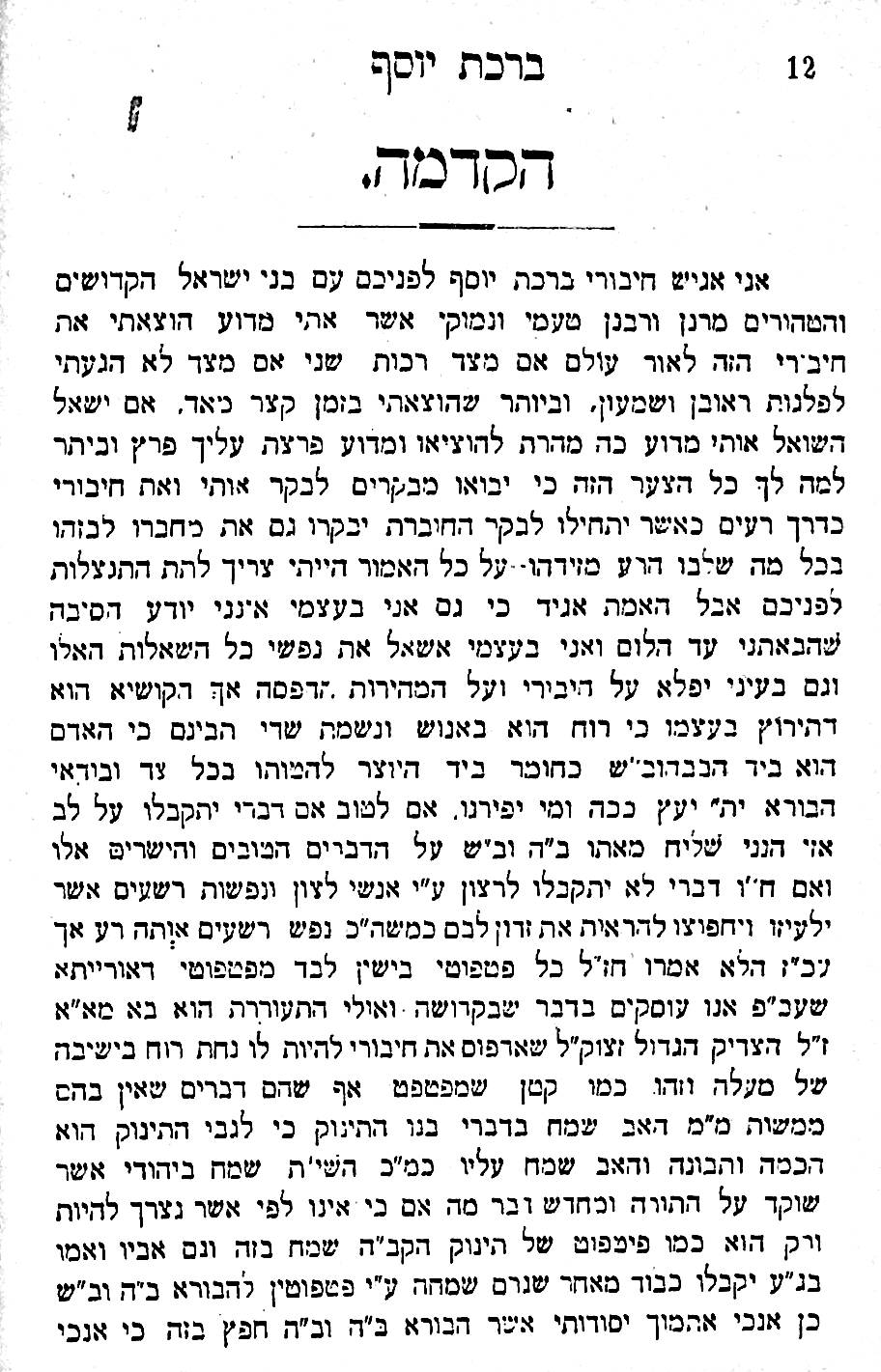
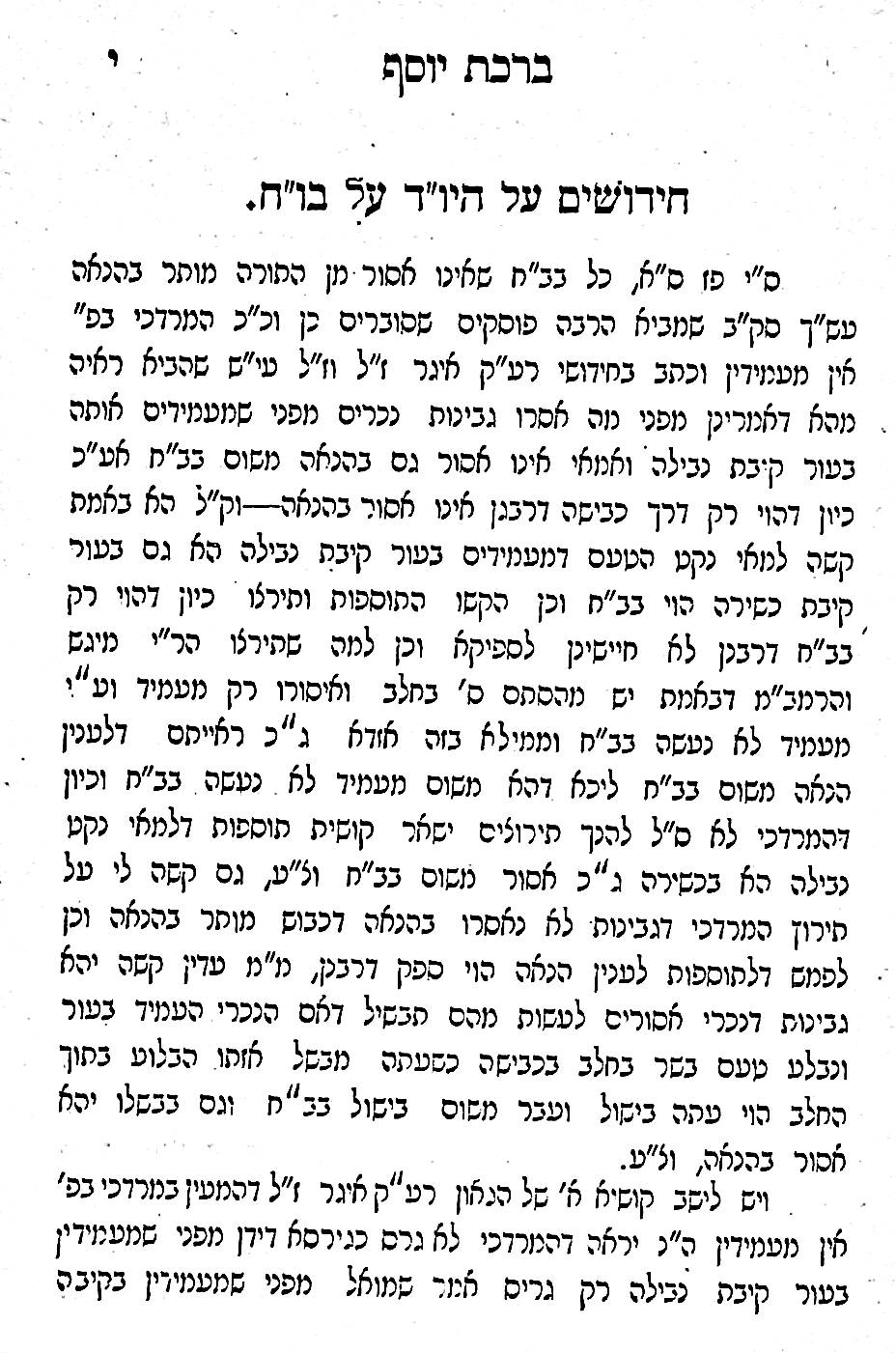
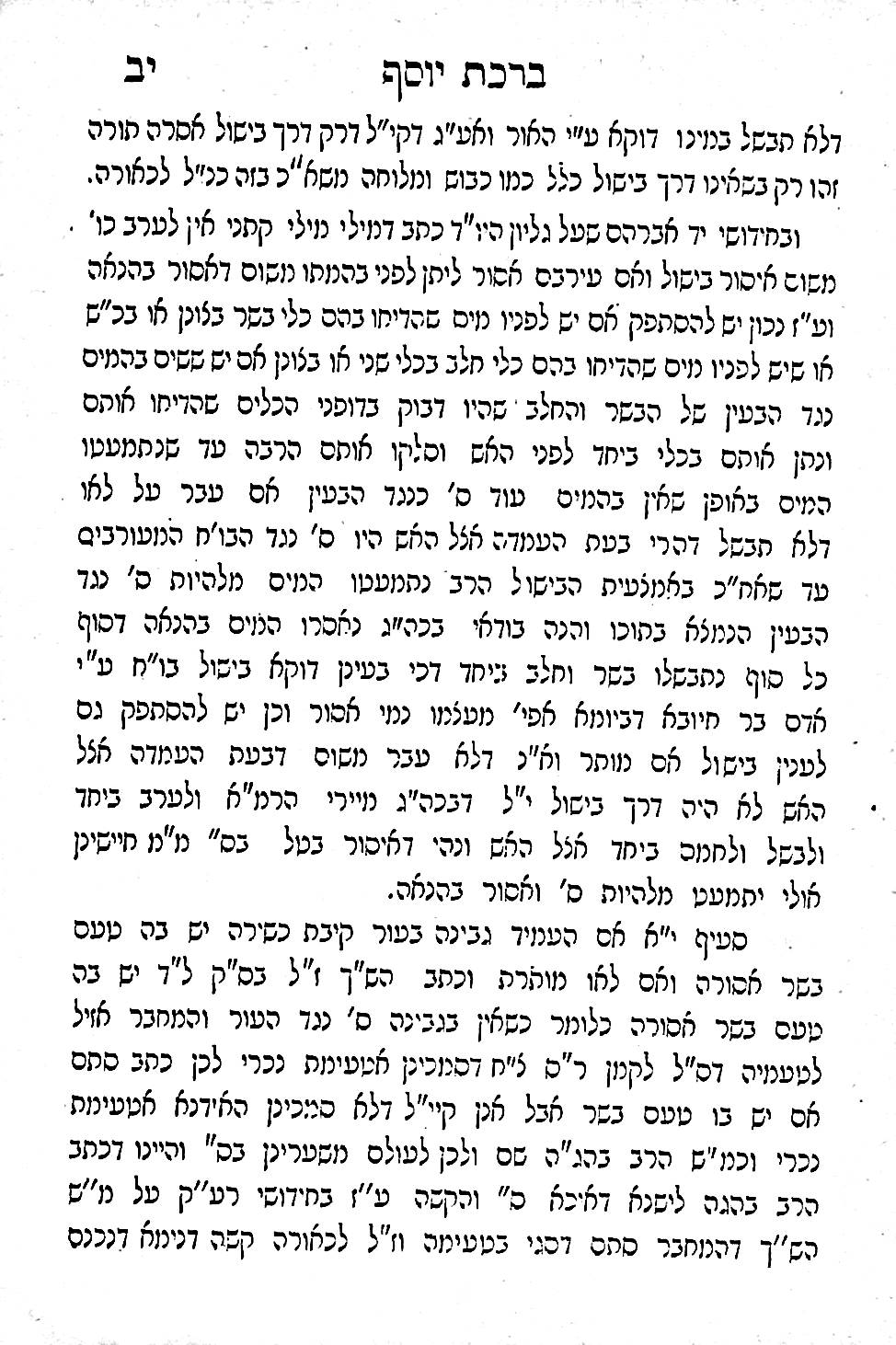
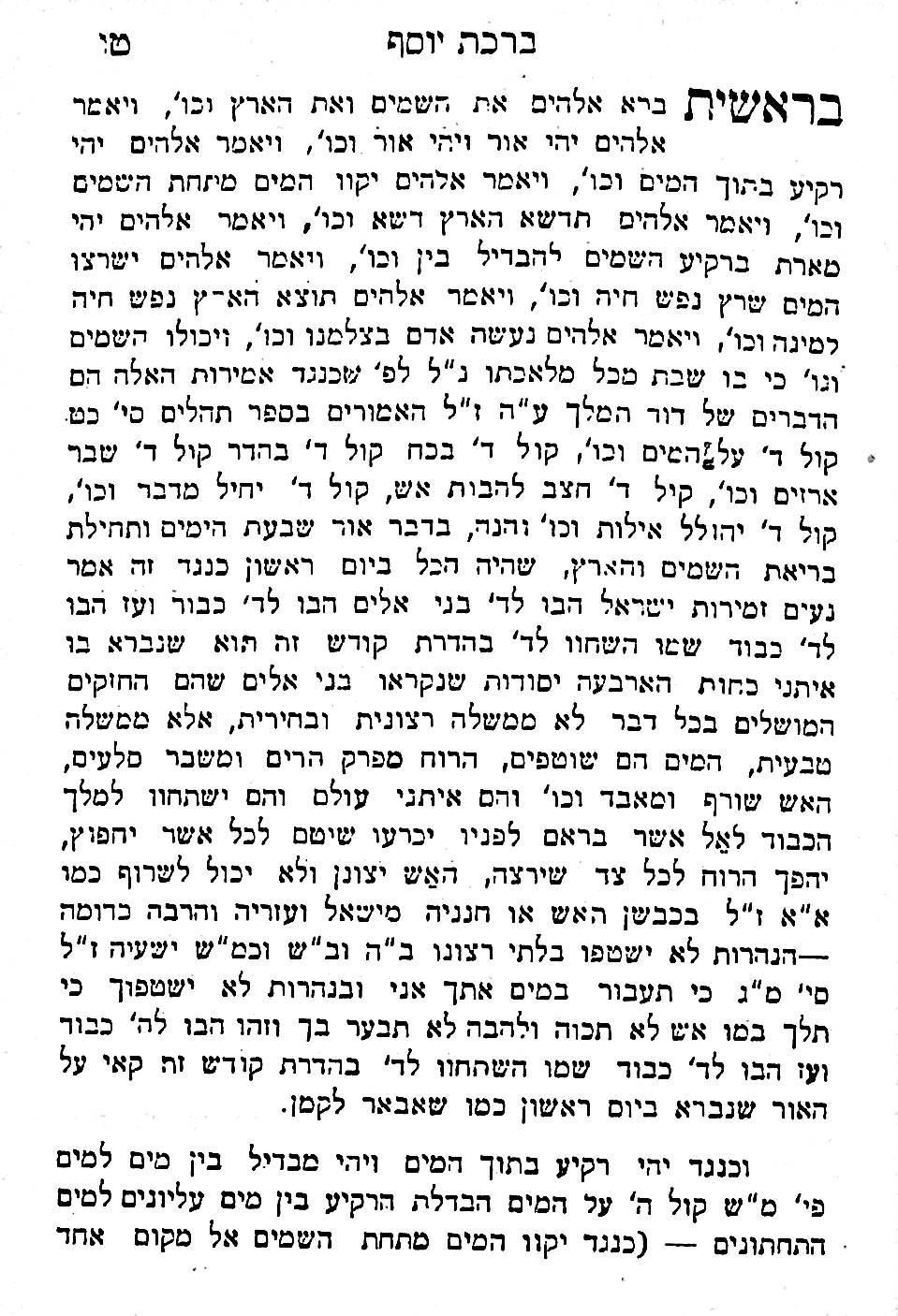
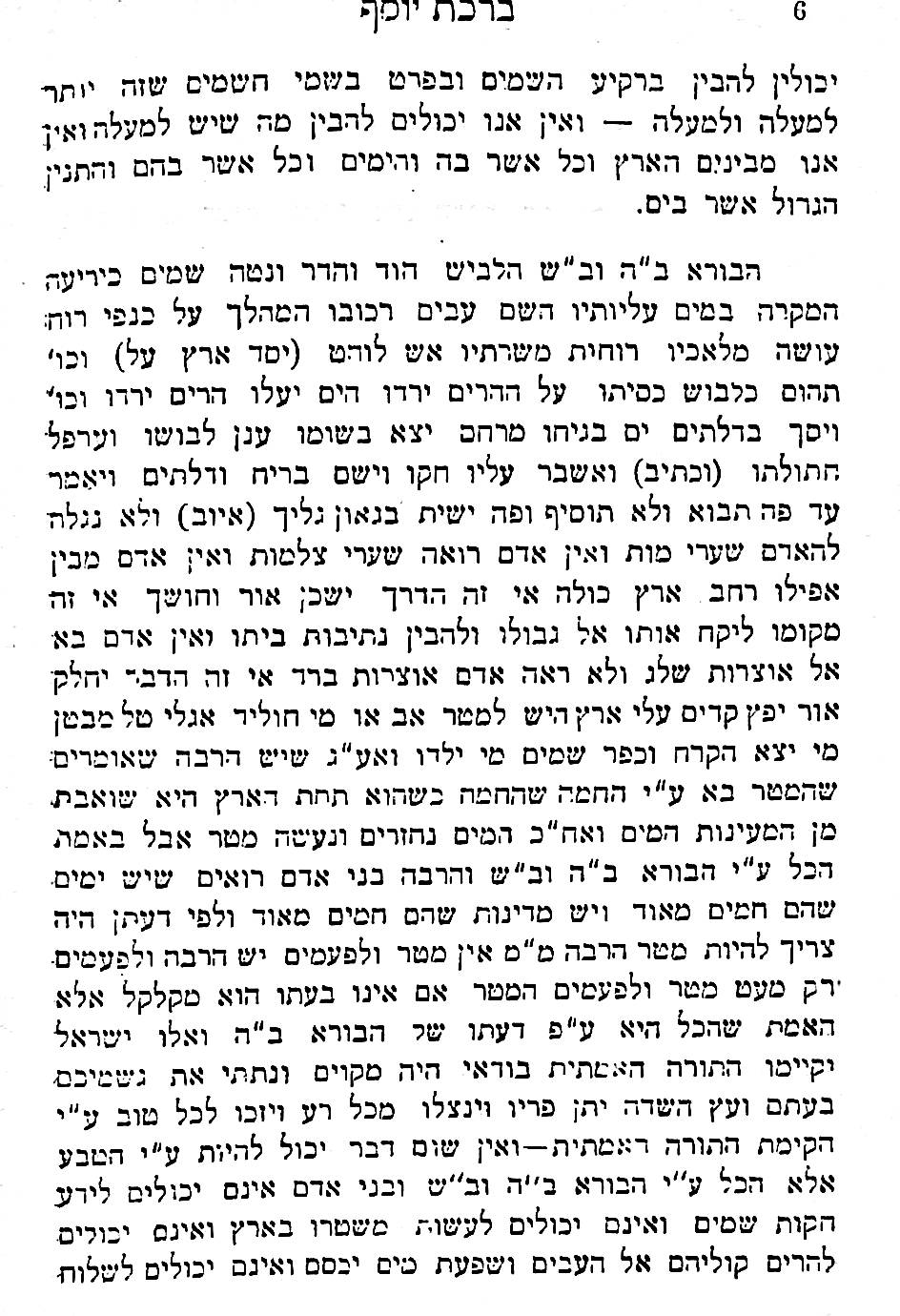
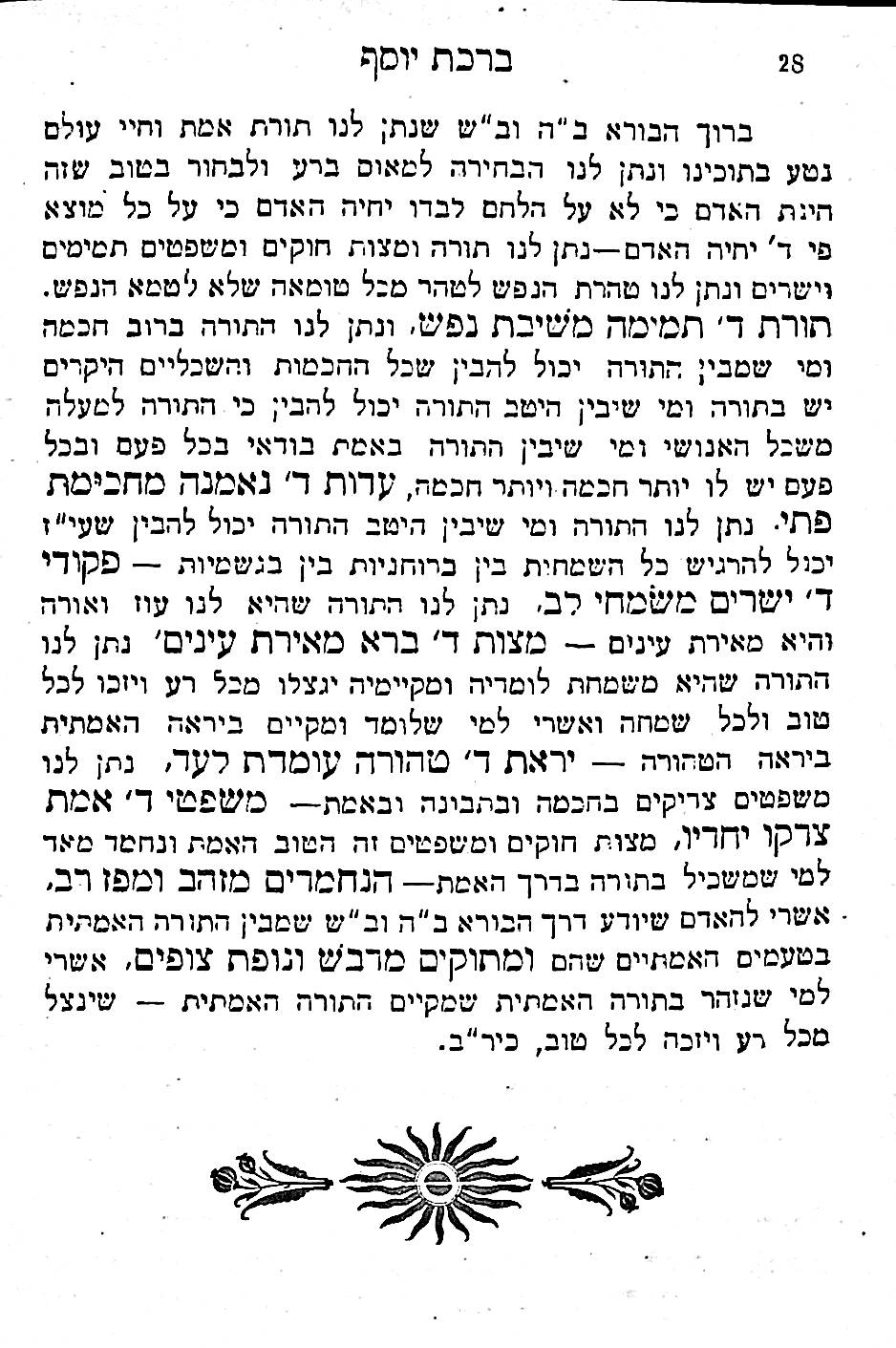
The book has some interesting haskomas (approbations), including two very interesting ones – read below after the images:.


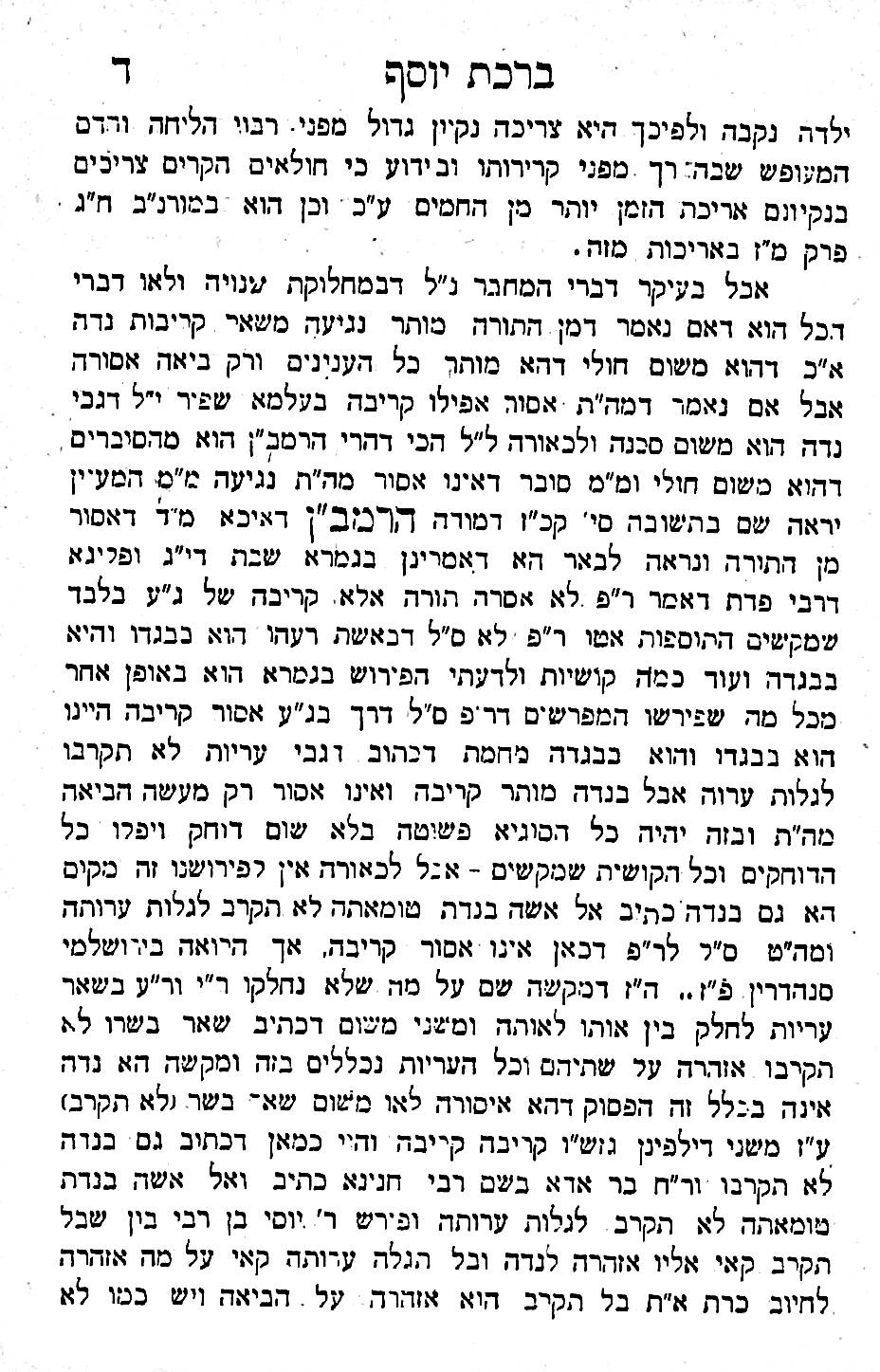
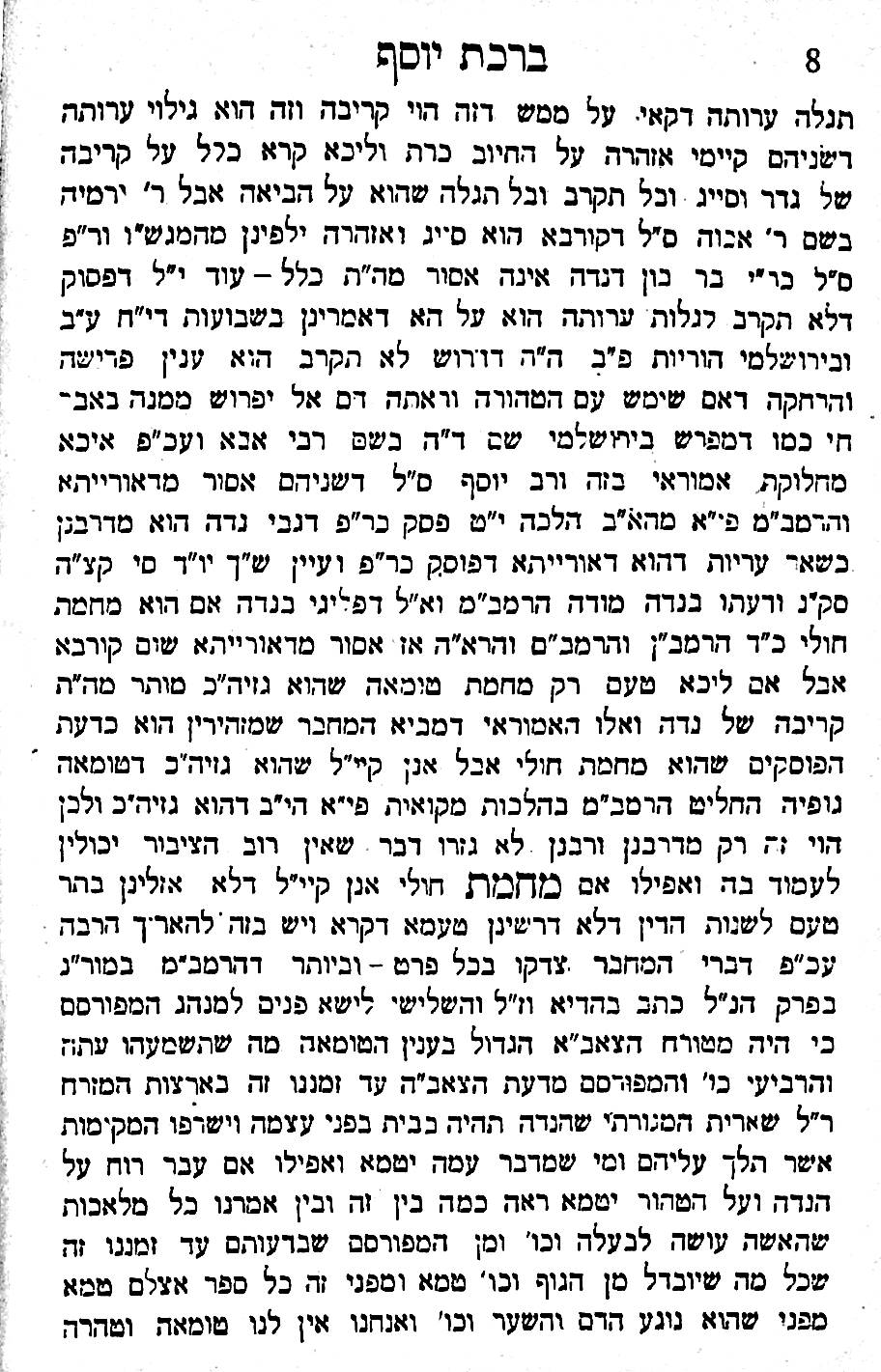


 Rabbi Shalom Mordechai Hacohen Schwadron (1835-1911) was among the greatest and most famous rabbis of his time. He was known in all the Jewish communities of the world. Known as the Maharsham, he wrote nine volumes of responsa (answers to questions).
Rabbi Abraham Joel Abelson was a prominent Dayan (Jewish judge) of Odessa, and editor and publisher of Knesset Chochmei Yisroel, which was a rabbinical jouirnal. Rabbi Shaposhnick studied privately with him and Rabbi Abelson gave him semicha (his rabbinical ordination).
Rabbi Abelson was known for addressing the Agunah problem – the issue which got Rabbi Shaposhnick into trouble years later, and he obviously influenced his young protegee.
An Agunah is a Jewish wife who is stuck in a marriage. The classic case is where the husband has disappeared – either missing in a war or simply run off and cannot be found. The husband is unable to be found (he may be dead) to grant his wife a divorce.
For a divorce to be effective, Jewish law requires that a man grant his wife a “get” (divorce document) of his own free will. Without this, no new marriage will be recognized. It is sometimes possible for a woman to receive special dispensation from a rabbi, based on a complex decision supported by substantial evidence that her husband is presumed dead, but this cannot be applied if the husband is clearly alive.
Because of the difficulty for women in such situations, it has been a task for every generation of rabbis to try to find means that are acceptable in Jewish law to permit such women to remarry.
Rabbi Abelson, who was known for lenient decisions, wrote about a case of a woman in Odessa, who he permitted to remarry without chalitza (a ceremony performed by the laste husband’s brother) because he had become an apostate.
Rabbi Shaposhnick was a very prolific author, and I have a number of his books in my collection. As well as rabbinical writings, he had an interest in science and medicine.









 Jewish Miscellanies
One thought on “Birkat Yosef, by Rabbi Joseph Shaposhnick, Odessa, 1902.”