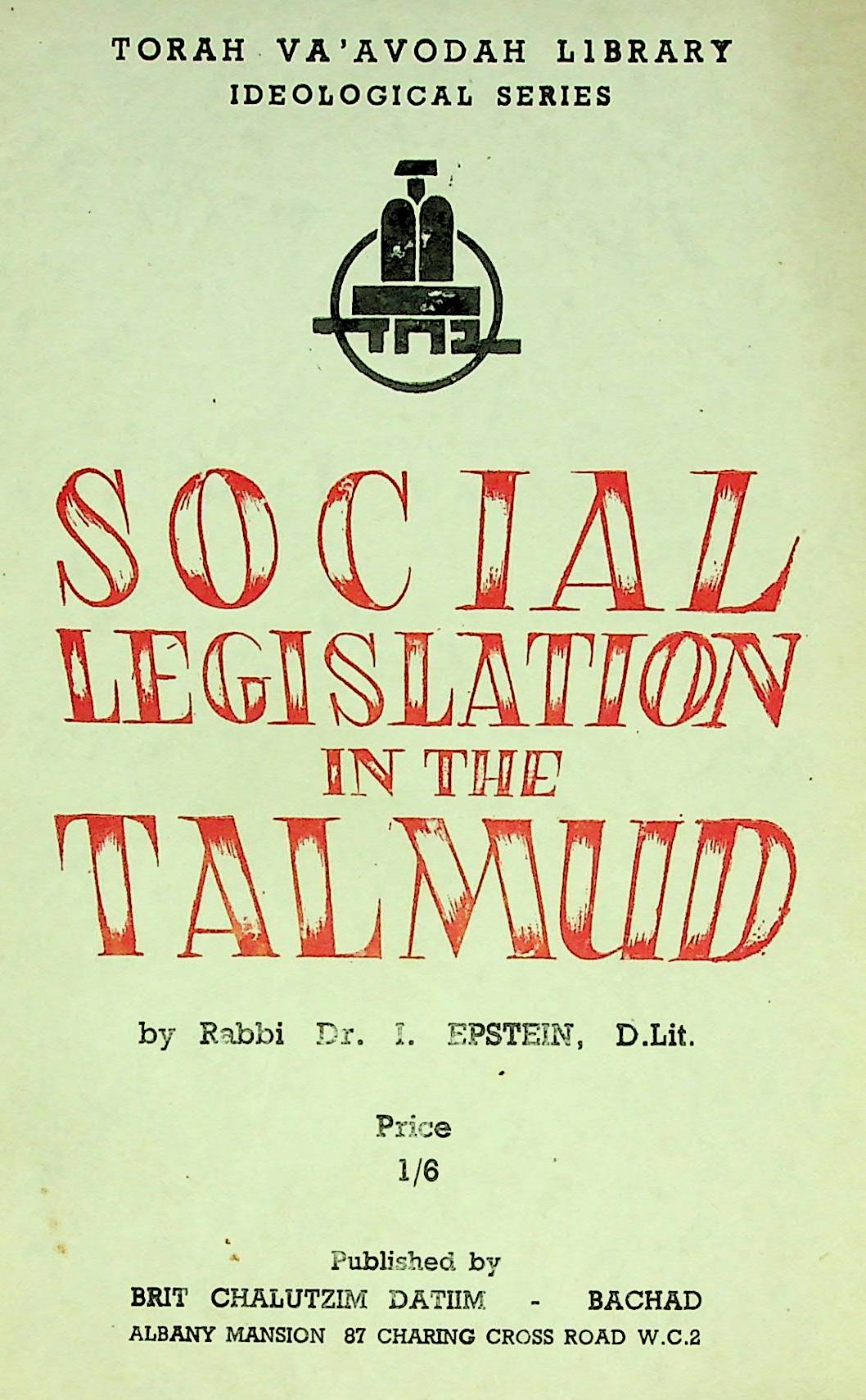
 This book was published by the “Bachad Fellowship” in England. Bachad, which are the initial letters of Brit Chalutzim Datiim, the orthodox Jewish pioneering movement, was started in Germany in 1928. It’s purpose was to equip young orthodox religious Jews with agricultural or other skills which they could use, eventually to settle in British mandated Palestine. This was to be done without any compromise on their religious beliefs and practices.
Following the violent pogroms of Kristallnacht (9-10 November, 1938), all but two of Bachad’s training farms in Germany were closed. Jews were trying to urgently flee Germany. Bachad moved to London.
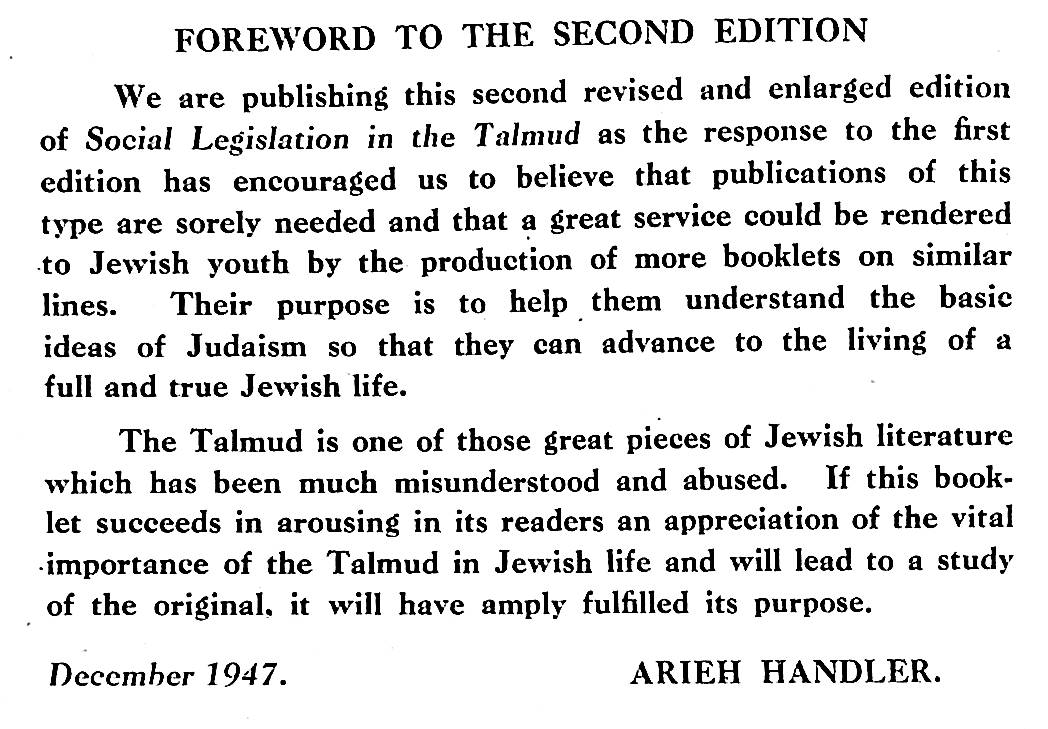
Bachad leader in Germany, Arieh Handler, was out of the country when Kristallnacht took place. He received a telegram informing him of the violence and arrests that had taken place and was told not to come back under any circumstances! At the suggestion of Henrietta Szold, he travelled to London with letters of introduction to key figures in the Jewish community. There, from an office in Woburn House, close to the hub of the Refugee Movement in London, he set about networking and organising.
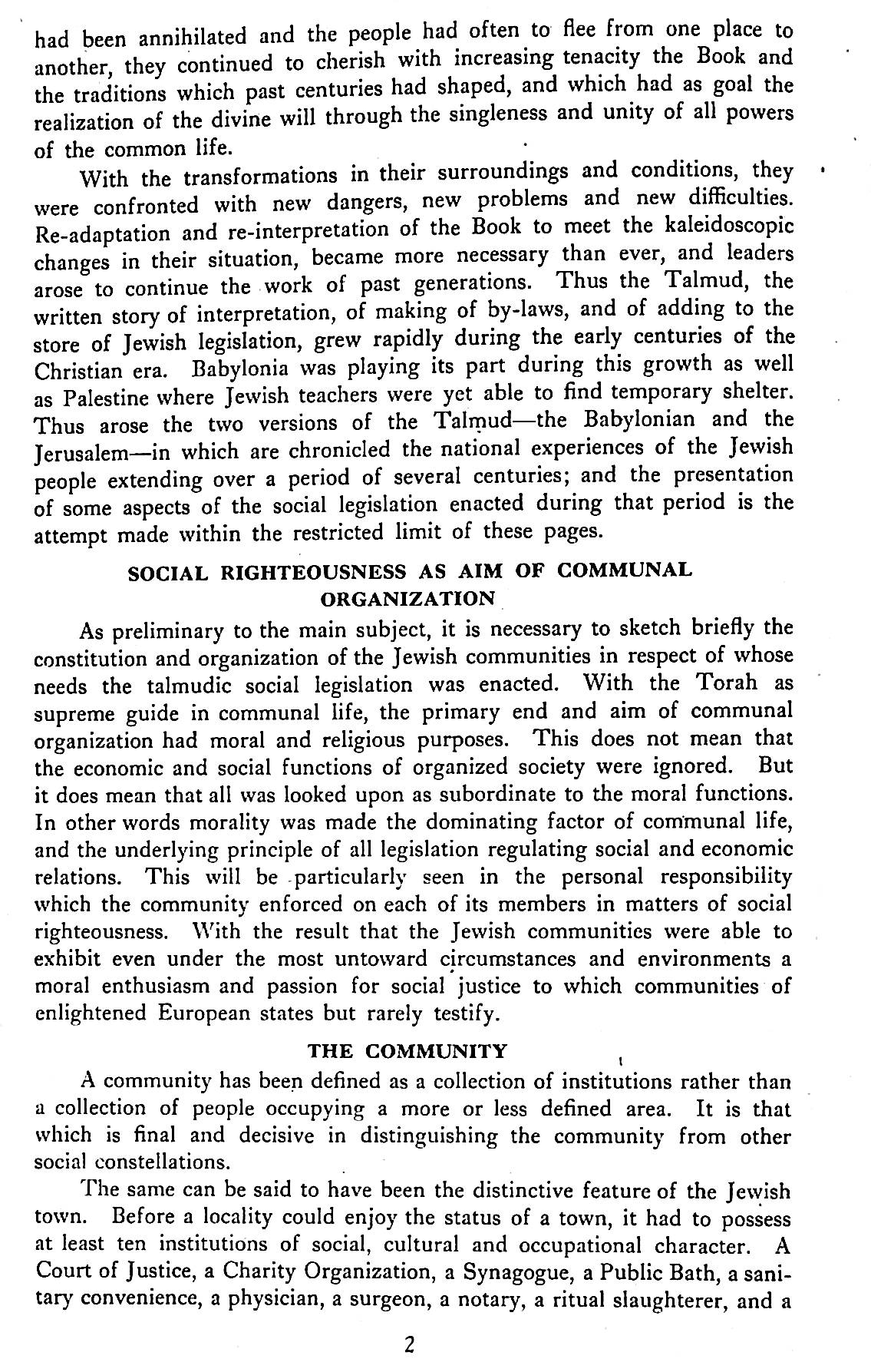
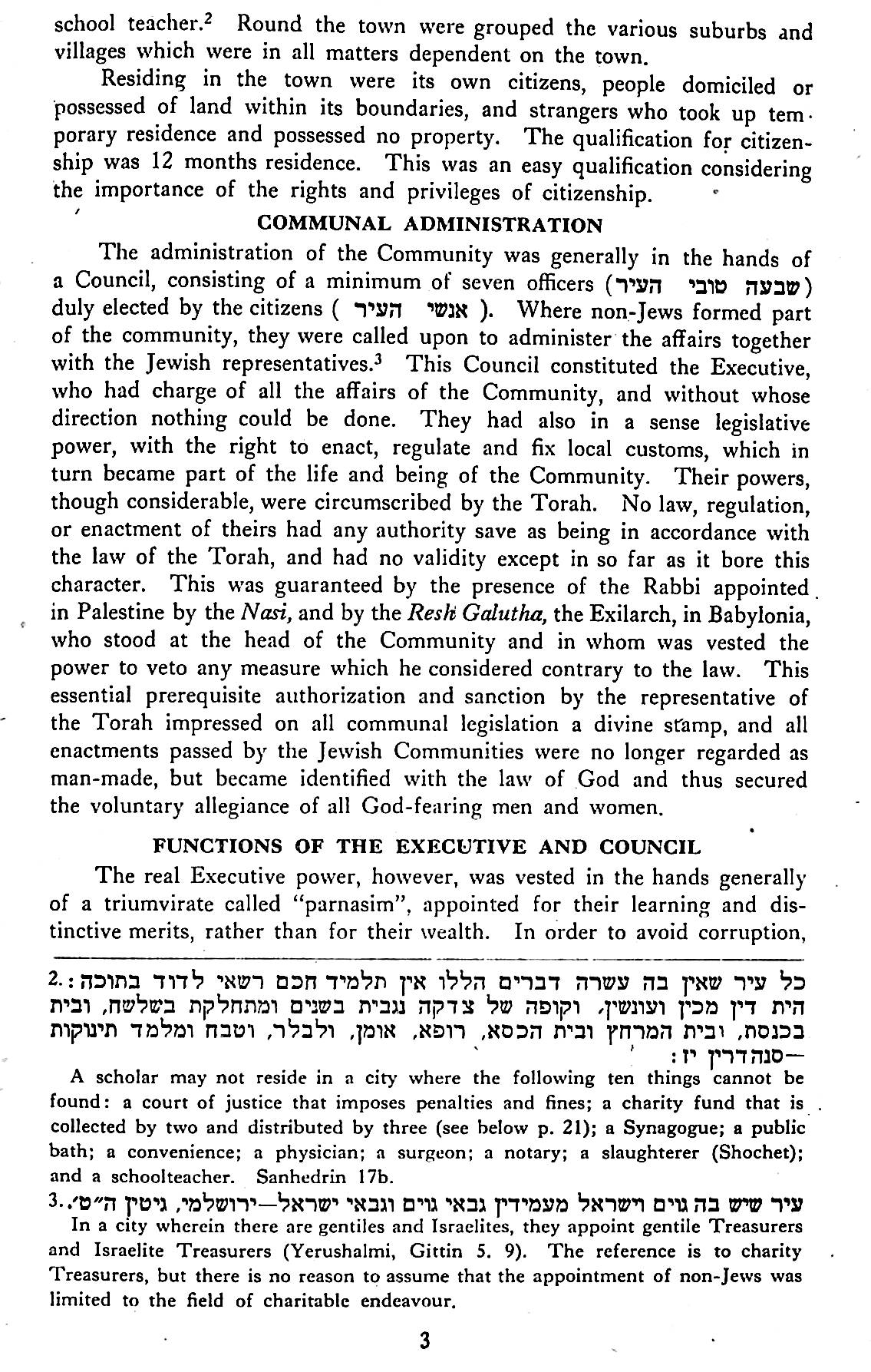
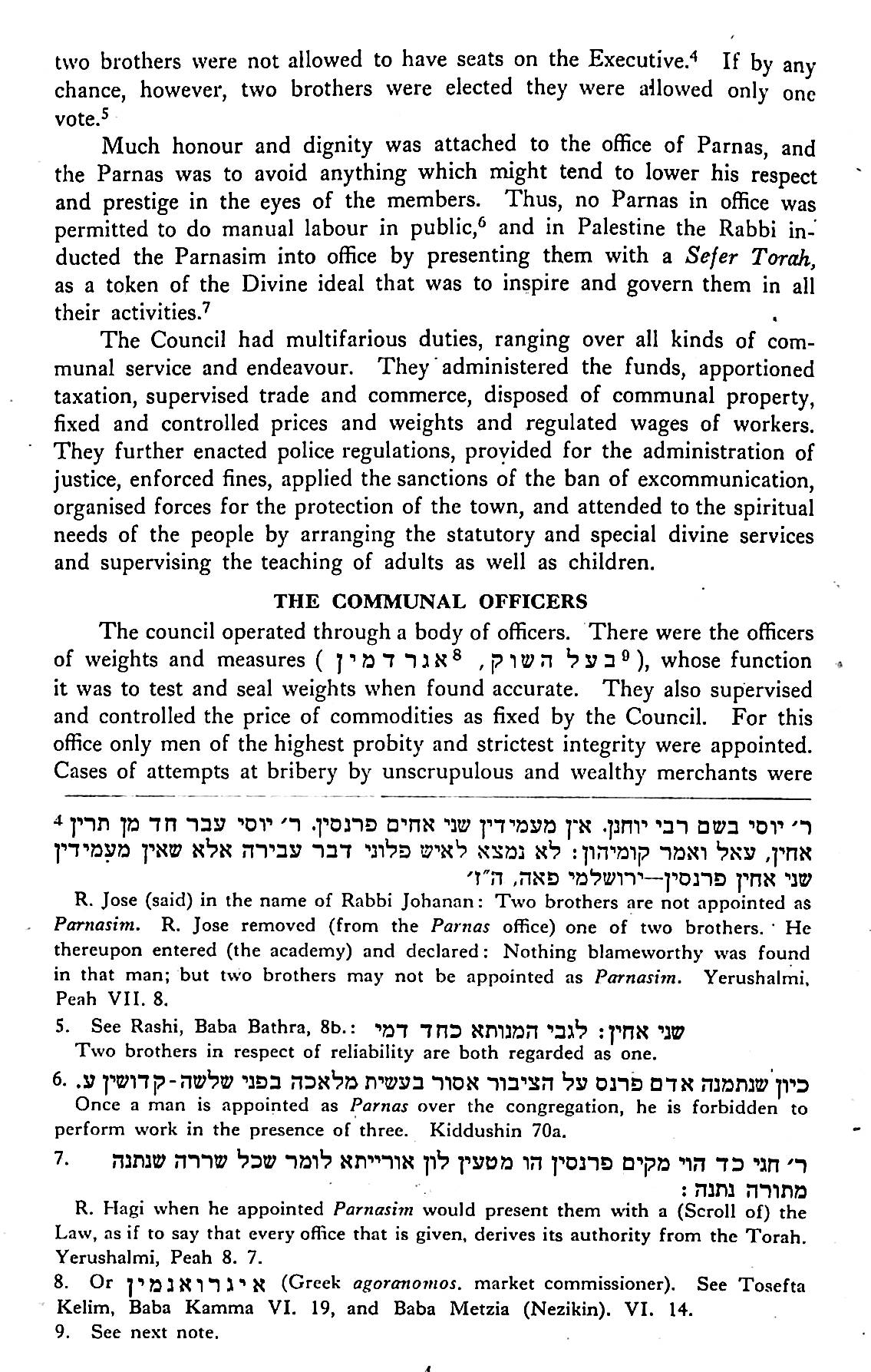
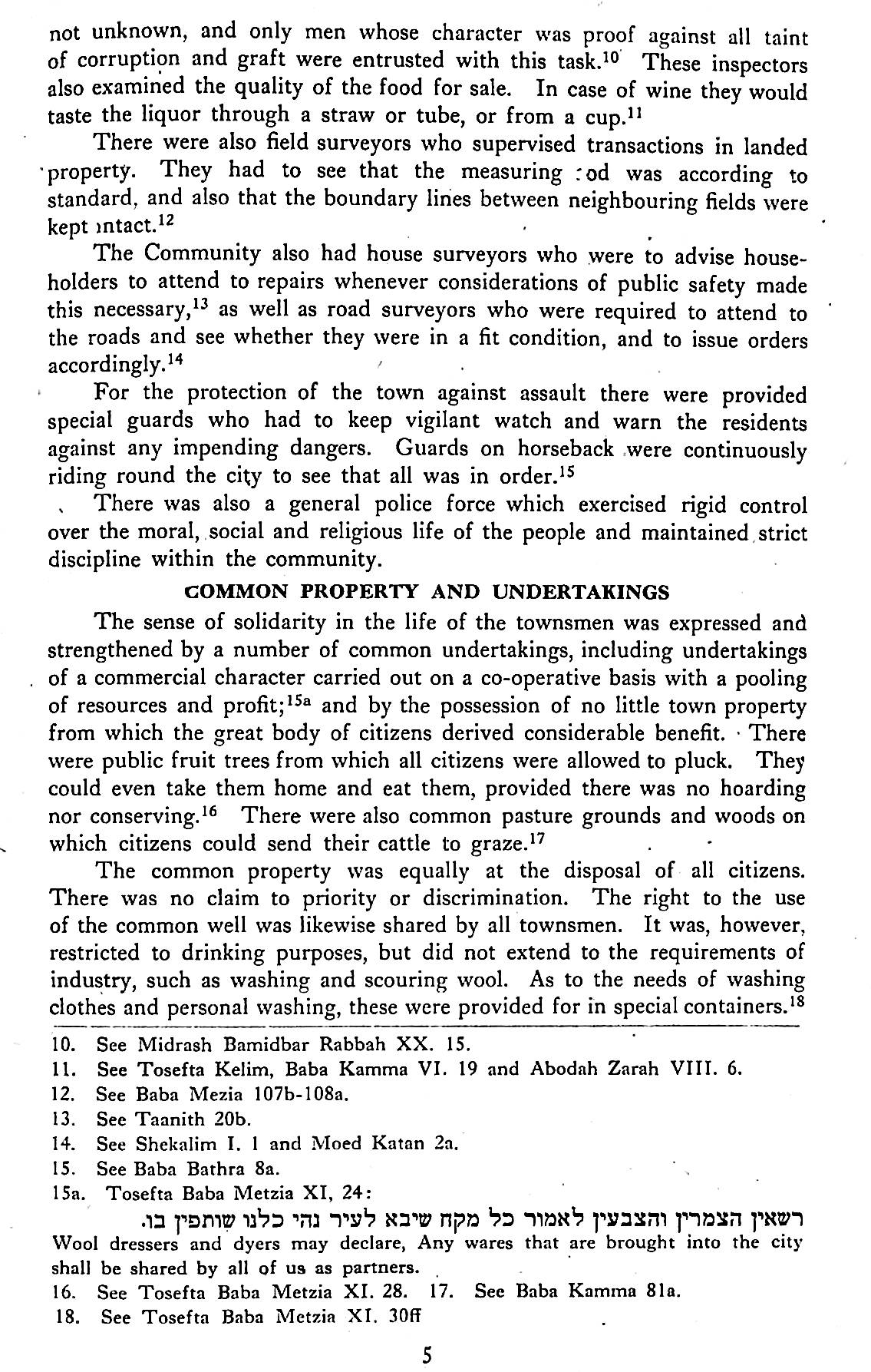
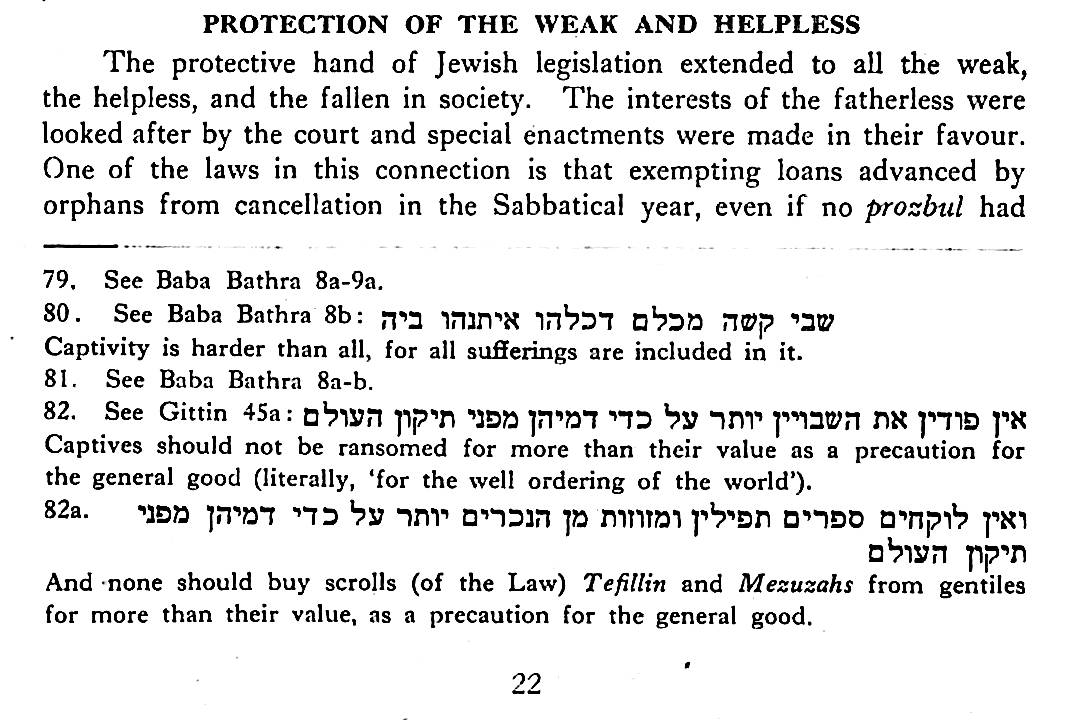
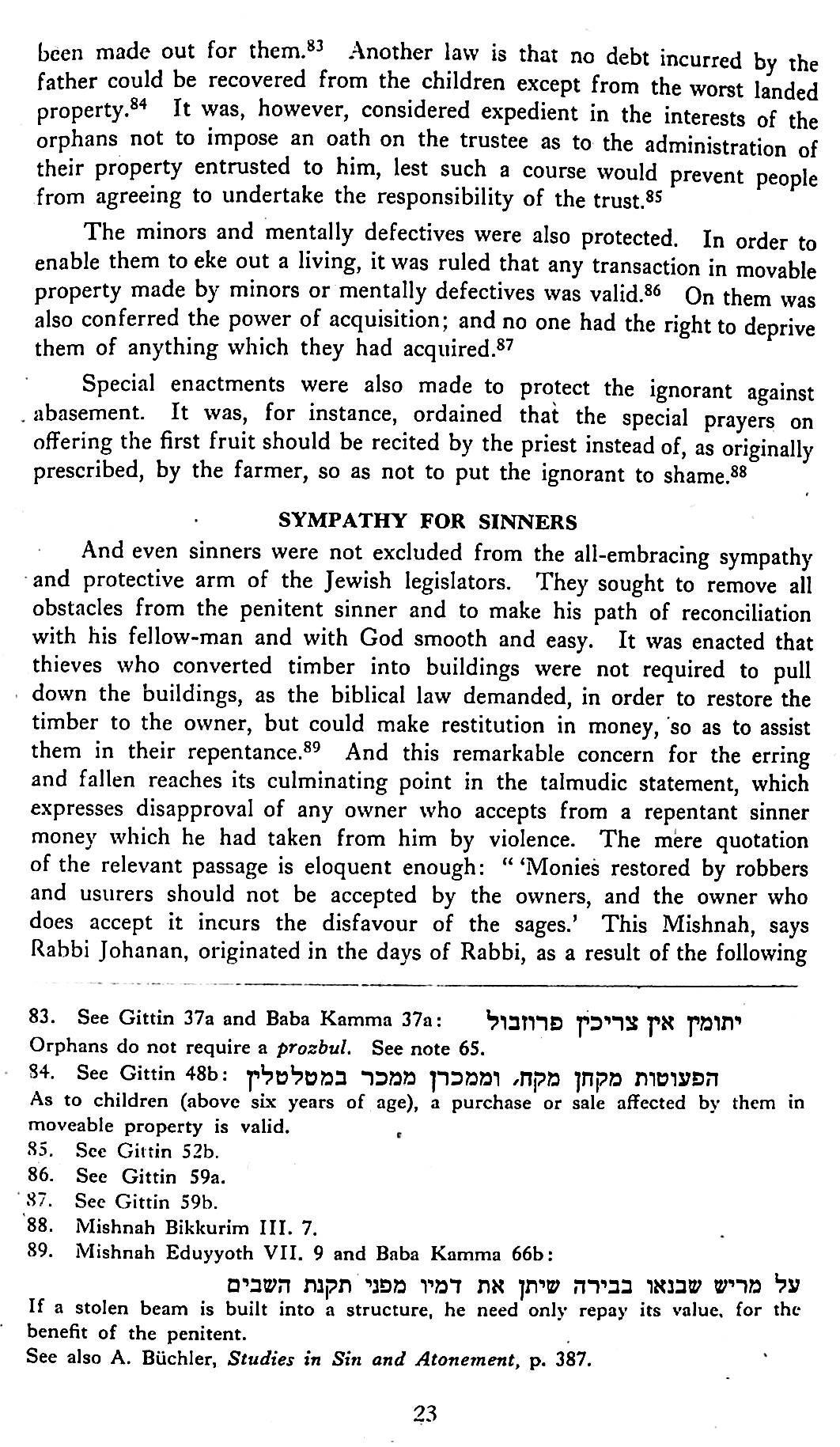
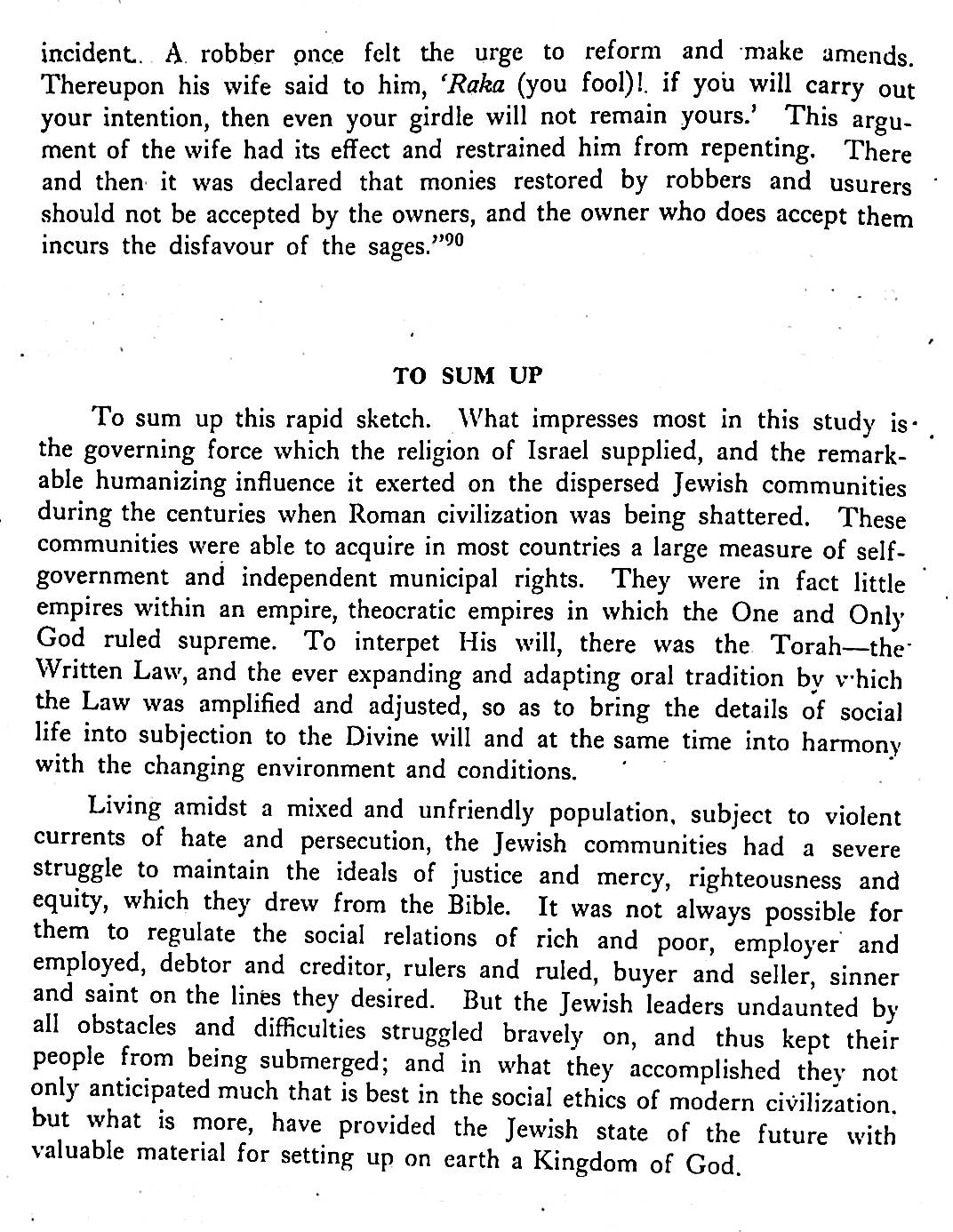
By 1945 Bachad was producing educational materials in England, of which I have previously written about the first publication in the ‘Torah Va’Avodah Library’, a biography of Rabbi Samuel Mohilever. ‘Social Legislation in the Talmud’ was printed in 1947.
The author, Ezekiel Isidore Epstein, was an English orthodox rabbi, Jewish studies scholar, and Jewish educator. He edited the first complete English translation of the Babylonian Talmud (the Soncino Talmud), served as the Principal of Jews’ College, London, and was the author of numerous scholarly and popular books on Judaism.
Rabbi Epstein was born in Kovno, Lithuania, on 7 May 1893. The family moved to Paris, France, when Epstein was very young, and, in 1903, moved again to London. There, he attended Old Castle Street School and Raine’s Foundation School.
At the age of fifteen, he studied Talmud at Great Garden Street’s beis midrash. Due to the quality of his work, he was sent to study at the Pressburg Yeshiva under Rabbi Akiva Sofer. He received semicha (his rabbinical certification) from Rabbi Isaiah Silberstein of Vác, Rabbi Israel Chaim Daiches of Leeds, and Rabbi Abraham Isaac Kook while the latter was based in London during World War I.
Rabbi Epstein was rabbi of Middlesbrough Hebrew Congregation from 1920 to 1928, and then joined the teaching staff of Jews’ College, London. In 1945, he was appointed Director of Studies and, subsequently, Principal. He retired in 1961.
The late Rabbi Raymond Apple, in an obituary for Rabbi Epstein, wrote that the historian Cecil Roth once divided Epstein’s writings into three stages. The first was rabbinic responsa, to which he devoted his first books; he was the pioneer of treating the responsa literature as a facet of Jewish history. He moved onto the Soncino Talmud, where his annotations were added to more or less every page. His third stage was books on Jewish thinking – not just Maimonides and Judah Halevi but the ideas and ideals of Judaism.

 Jewish Miscellanies