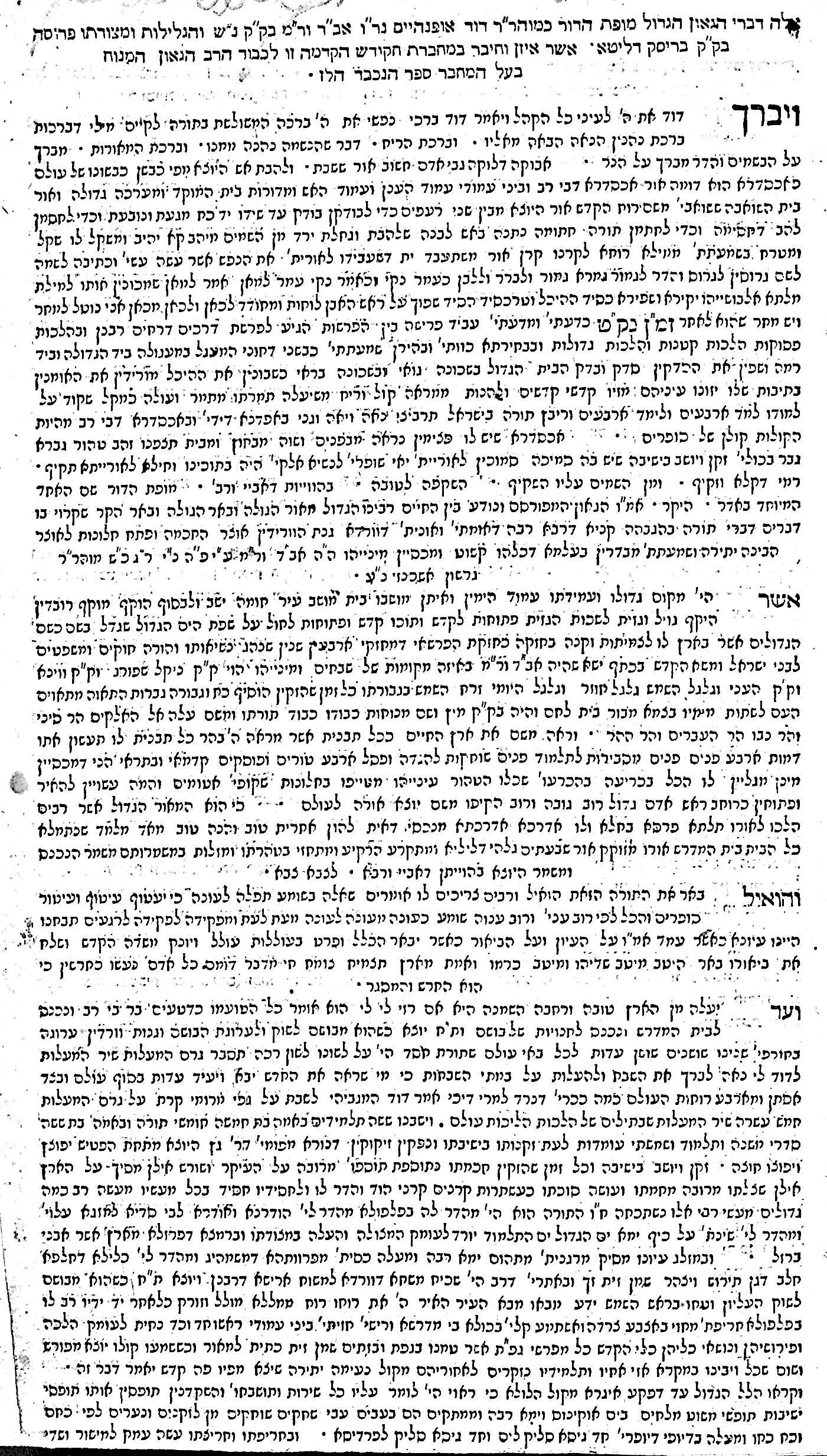
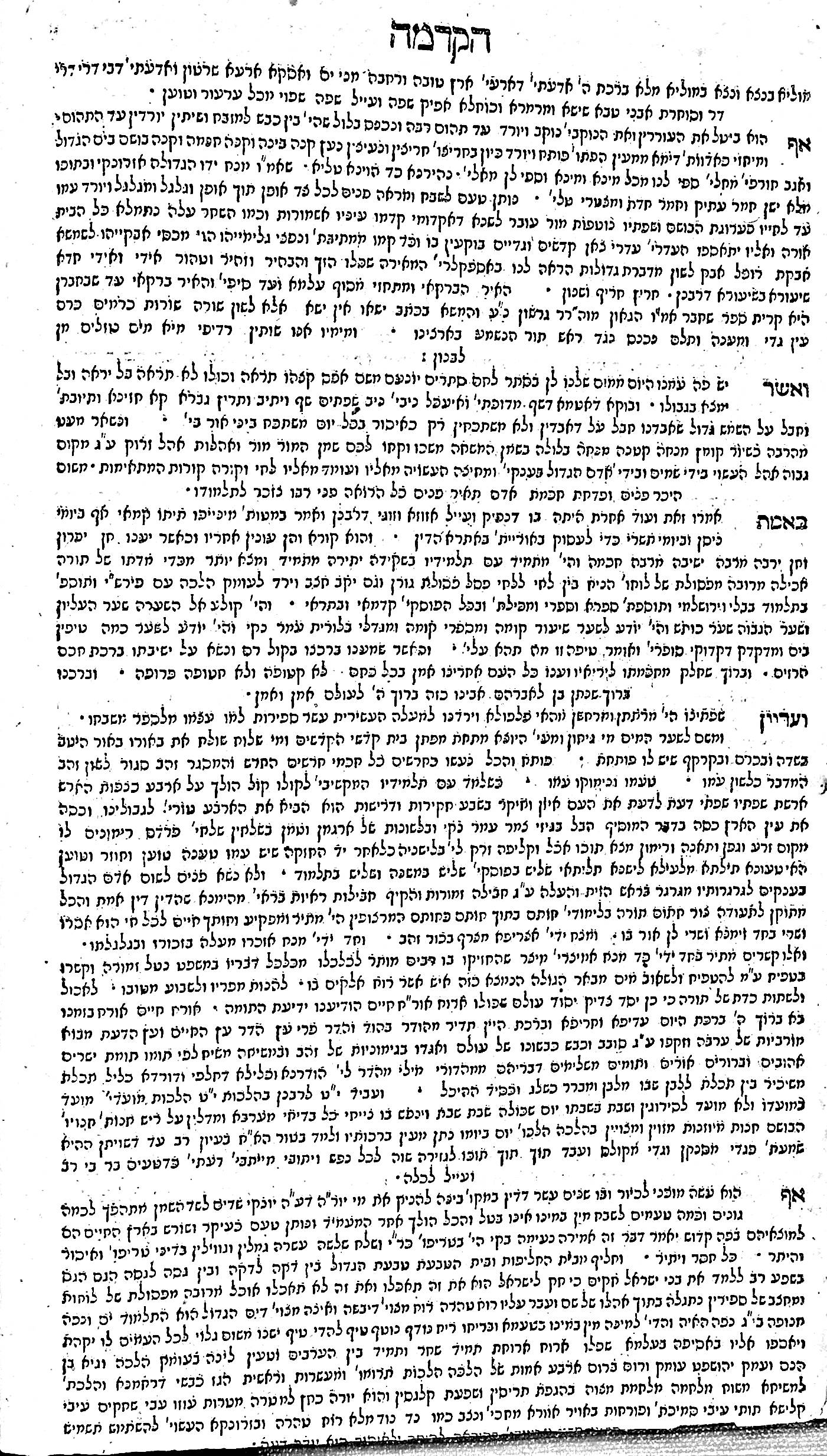
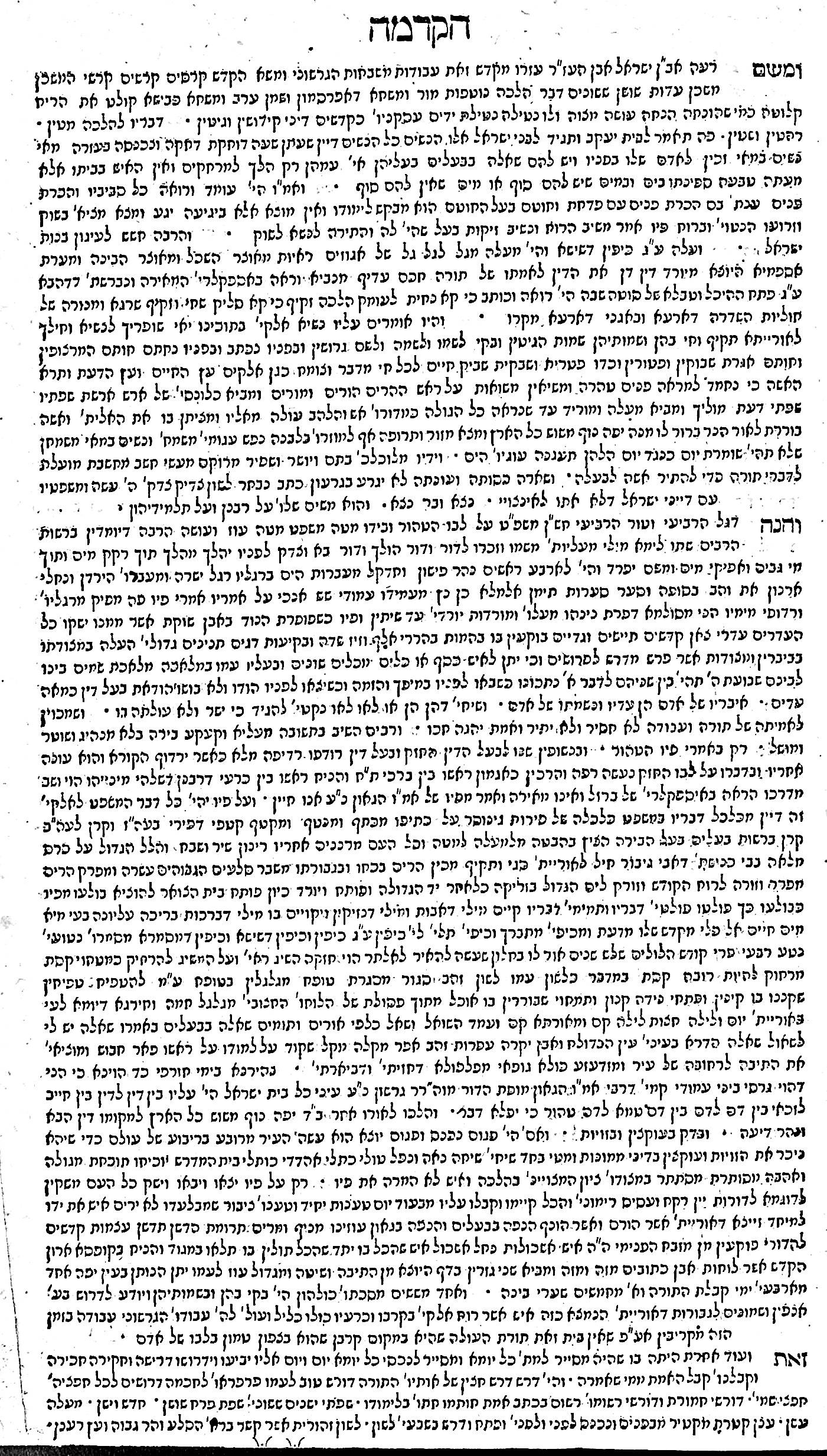
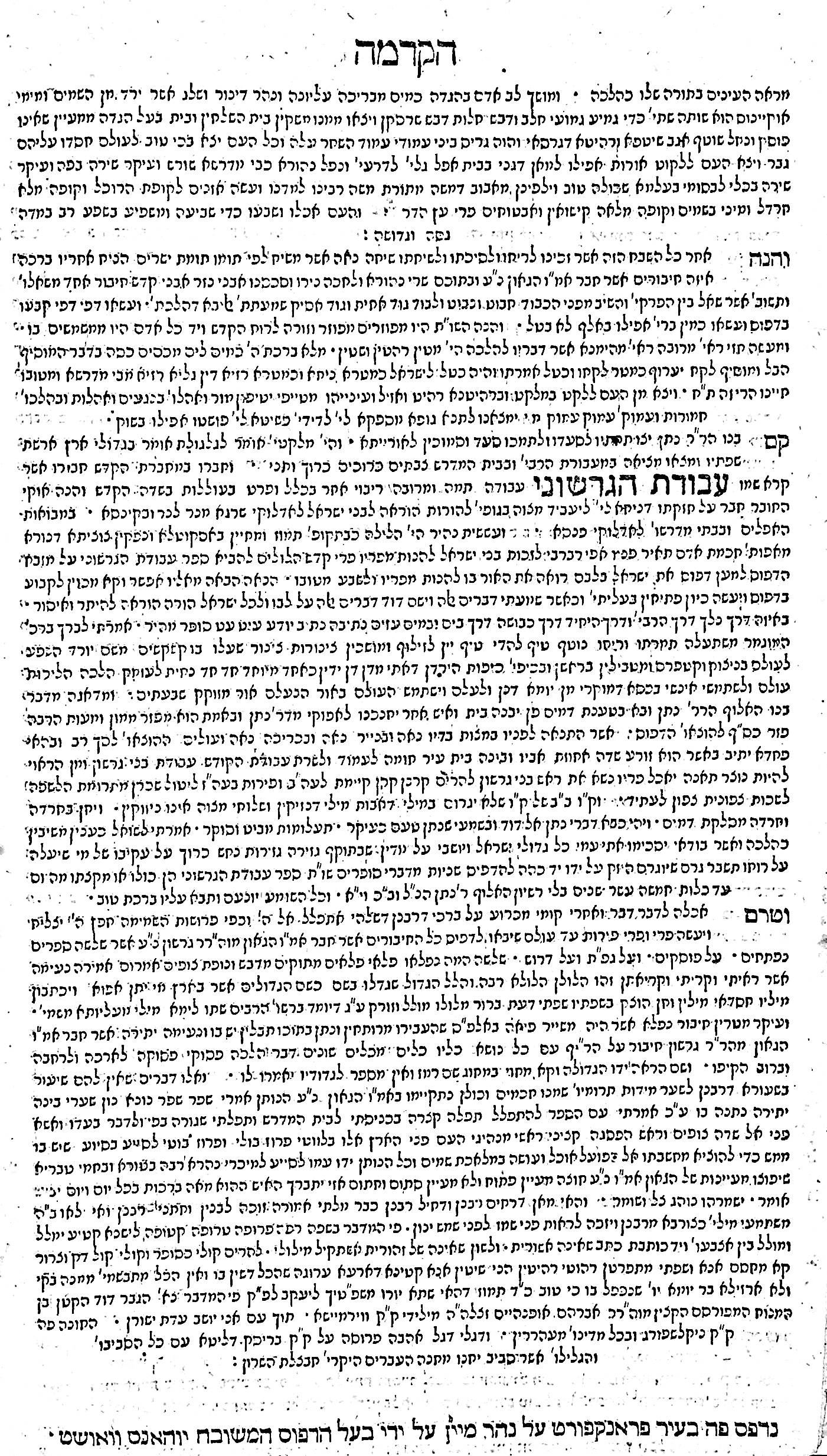
In the Bodlean Library in Oxford is one of the greatest collections of Hebrew manuscripts and printed books ever assembled. It is the collection of Rabbi David Oppenheim of Prague, who was a major rabbinical scholar, an enthusiastic collector of books, and a financier of books by prominent rabbinical authors. The library was purchased by the Bodlean after the death of Rabbi Oppenheim, and so this great library was safe in Oxford and saved from destruction in the Second World War.
One of Rabbi Oppenheim’s teachers was Rabbi Gershon Ashklenazi Ulif, a Polish Talmudist who was born in 1620 and died on March 20th, 1693 in Nikolsburg. He in turn had studied under the ‘Bach’ – Rabbi Joel Sirkis, and his first wife was Rabbi Sirkis’s grand-daughter.
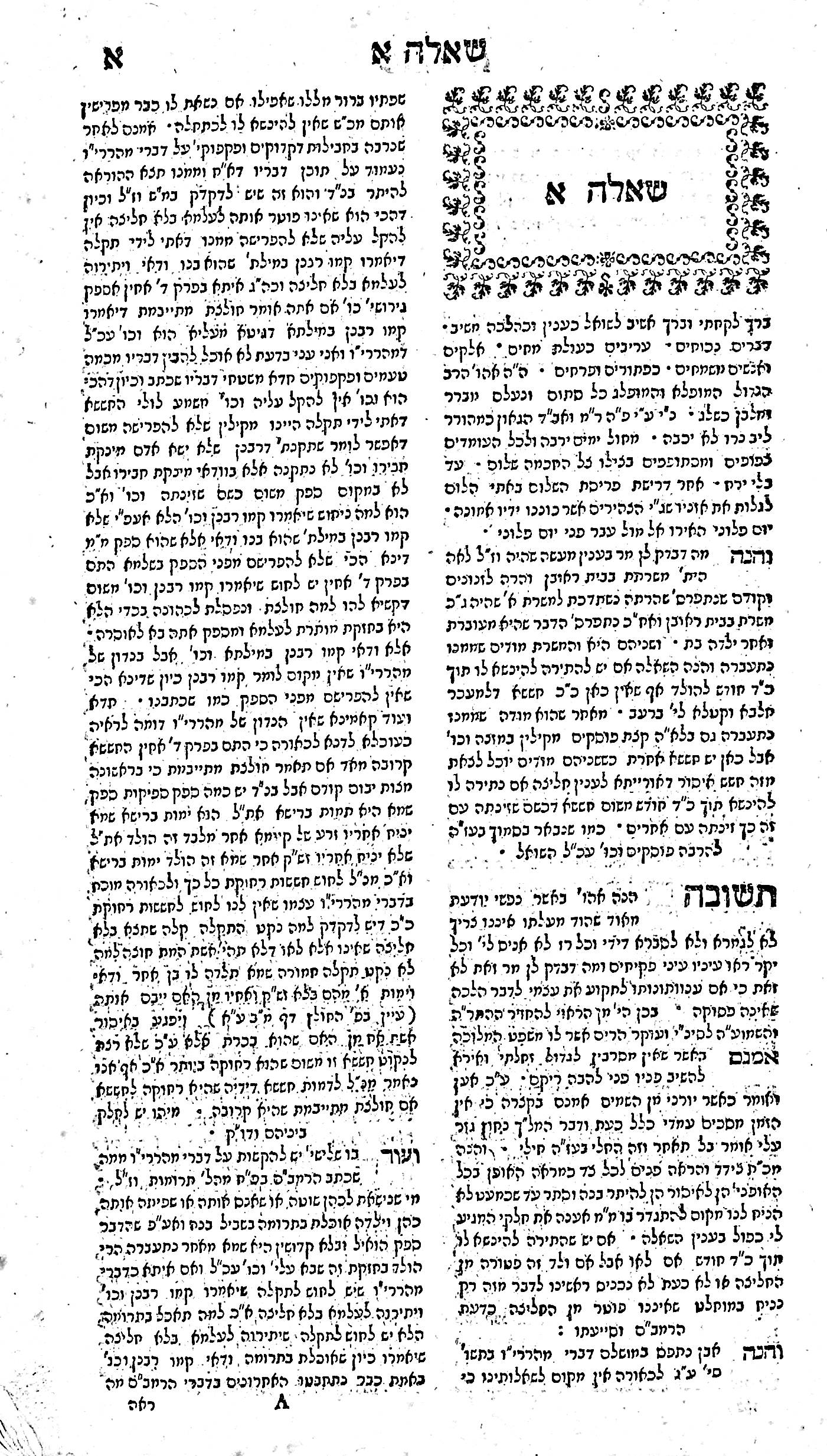
During his lifetime, Rabbi Ashkenazi was a recognised authority in Talmudic law. Ashkenazi wrote this book, “Avodas HaGersuhni.”
He began his career as a young man as a judge in Krakow. He served as a rabbi in Prossnitz, Moravia, Hanau, Nickolsberg, and Vienna. After the expulsion of the Jews from Vienna in 1670 by Leopold I that lasted until 1683, Rabbi Ashkenazi became Chief Rabbi of Metz, France.
His teaching style was sharp and peppery, and his student, Rabbi David Oppenheim, wrote about this in his introduction to this book.
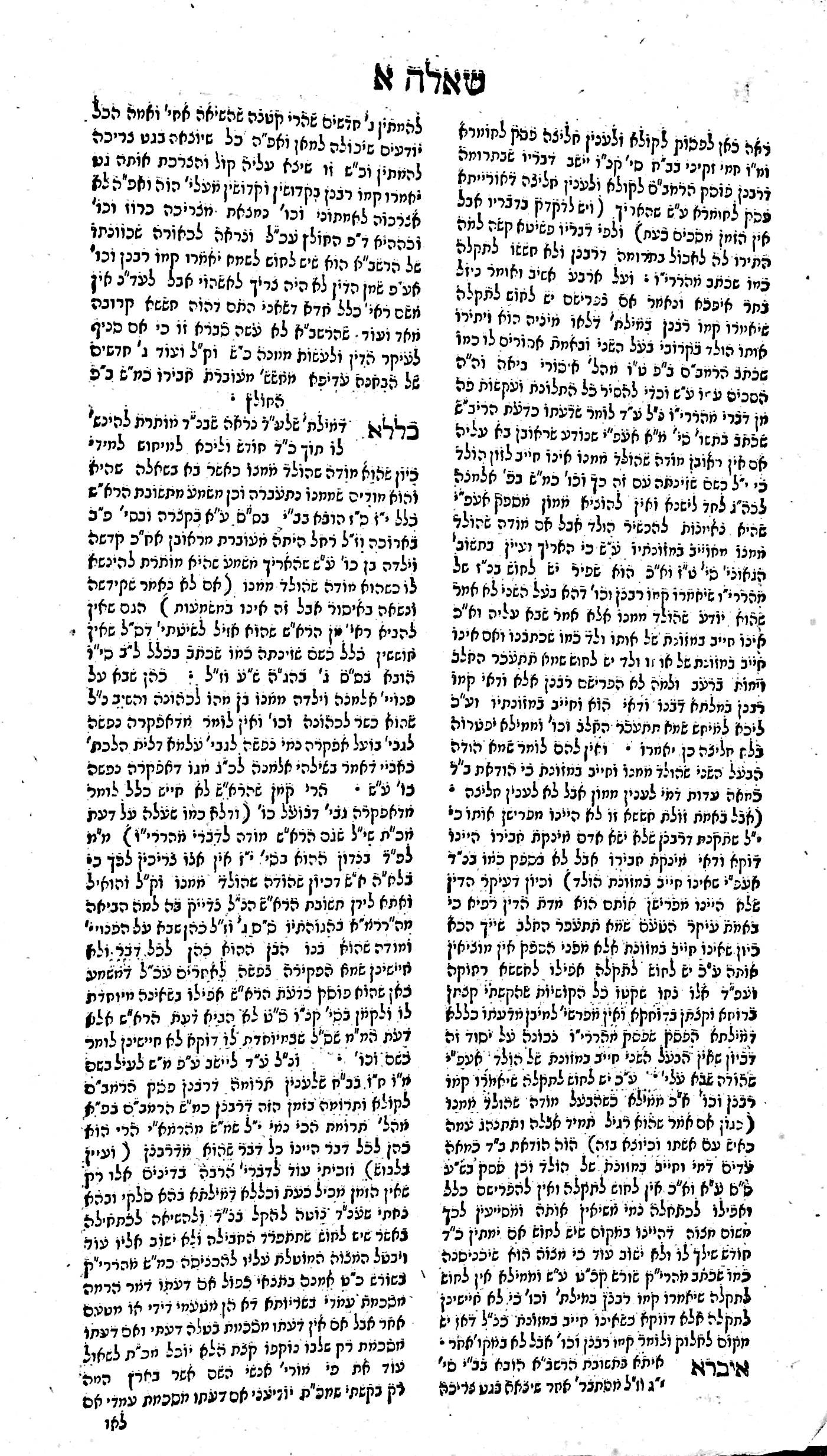
Avodas HaGershuni is a book of responsa – questions and answers. It was published posthumously by Rabbi Ashkenazi’s descendants, possibly financed by Rabbi Oppenheim who wrote the long introduction. The book contains his detailed responses to the major rabbinic questions and complex Talmudic queries of his generation. The inquiries directed to Rabbi Ashkenazi while rabbi of Metz from western Germany and Alsace-Lorraine show that he was the spiritual and intellectual authority for the Jews of those countries. This book is often quoted by later authorities on various aspects of Jewish law, such as prohibited foods, laws of matrimony and Shabbos.
Beyond halacha (Jewish law), Rabbi Gershon Ashkenazi’s writings serve as an important primary source providing historical context and first-hand accounts regarding the devastating Chmielnicki massacres of 1648–1649.
Rabbi David Oppenheimer was influenced greatly by Rabbi Gershon and praises him in the introduction to his works. Their closeness and esteem of David Oppenheim to him is expressed also after Rabbi Gershon’s death, when Dovid Oppenheimer was asked (Nishal Dovid Yorah Deah Responsa 23), whether it is allowed to prohibit music and singing during the year of mourning of a great Torah scholar like Rabbi Gershon, to which he responded that it is indeed permitted and appropriate.
During his lifetime, Rabbi Ashkenazi had begun to prepare his more than 1,000 responsa for publication, but after his death only these 124 were published.