 Rev. Dr. Joseph Hochman is another somewhat forgotten London Rabbi, who was both brilliant and controversial and eventually went rather “off the derech” (off the path) in more ways than one. Perhaps he was deliberately forgotten by the United Synagogue establishment of his day.
His parents, Aaron and Henrietta Hochman were travelling from Russia to London when Joseph Hochman was born on January 13th, 1883, en route, in Memel, then part of Germany and now known as Klaipeda, Lithuania. He grew up in Brushfield Street in the East End of London. The family became naturalized British citizens in 1895. Joseph Hochman entered Jews College in 1901 and graduated from London University in 1905. He then proceeded to Berlin and studied for three semesters at the University, and the orthodox Rabbinical Seminary, among his teachers being Professor Moritz Steinschneider, Dr. Ellbogen, Professor Barth, Rabbi Dr. David Zvi Hoffmann, and Rabbi Dr. Joseph Wohlgemuth. He went to Heidelberg, studying under Professors Seeker, Sesold and Windelbaud, and received his Ph.D.
Dr. Hochman helped to found a number of friendly and literary societies in the East End, where he was much esteemed as a speaker. In the pulpit he had an impressive delivery. He received training in Chazanos (cantorial singing) from Rev. E. Spero.
In 1907, following the death of Rev. Simeon Singer, the Board of Management of the New West End Synagogue resolved to temporarily engage Dr. Joseph Hochman. B.A., as a minister, originally for a period of one year from the 1st November, 1907. He was only 24 years old.
In the 1911 census he gives his place of birth as Germany and his address as 7 Moscow Court, Moscow Road, which was the residence of the Minister of the New West End Synagogue.
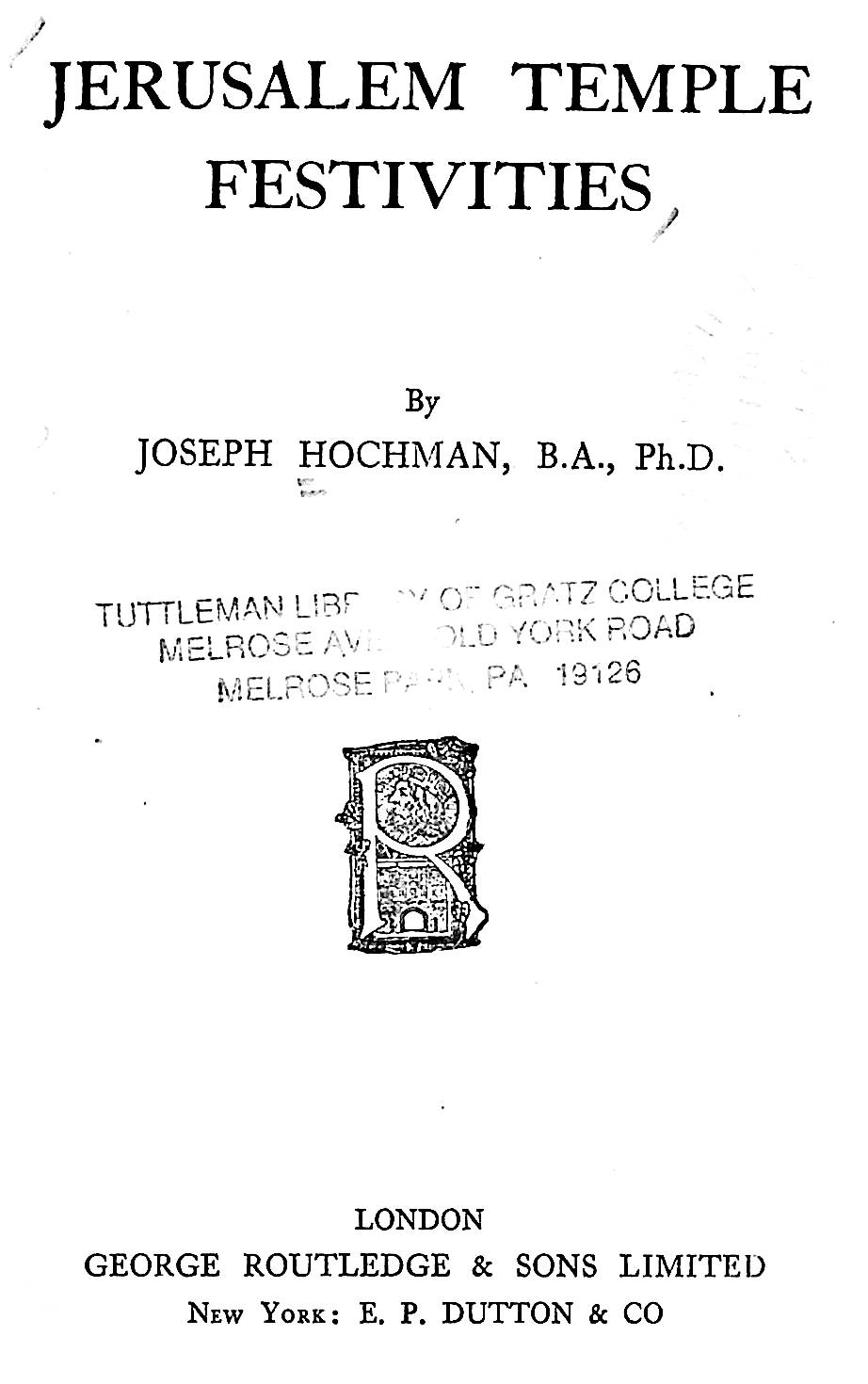
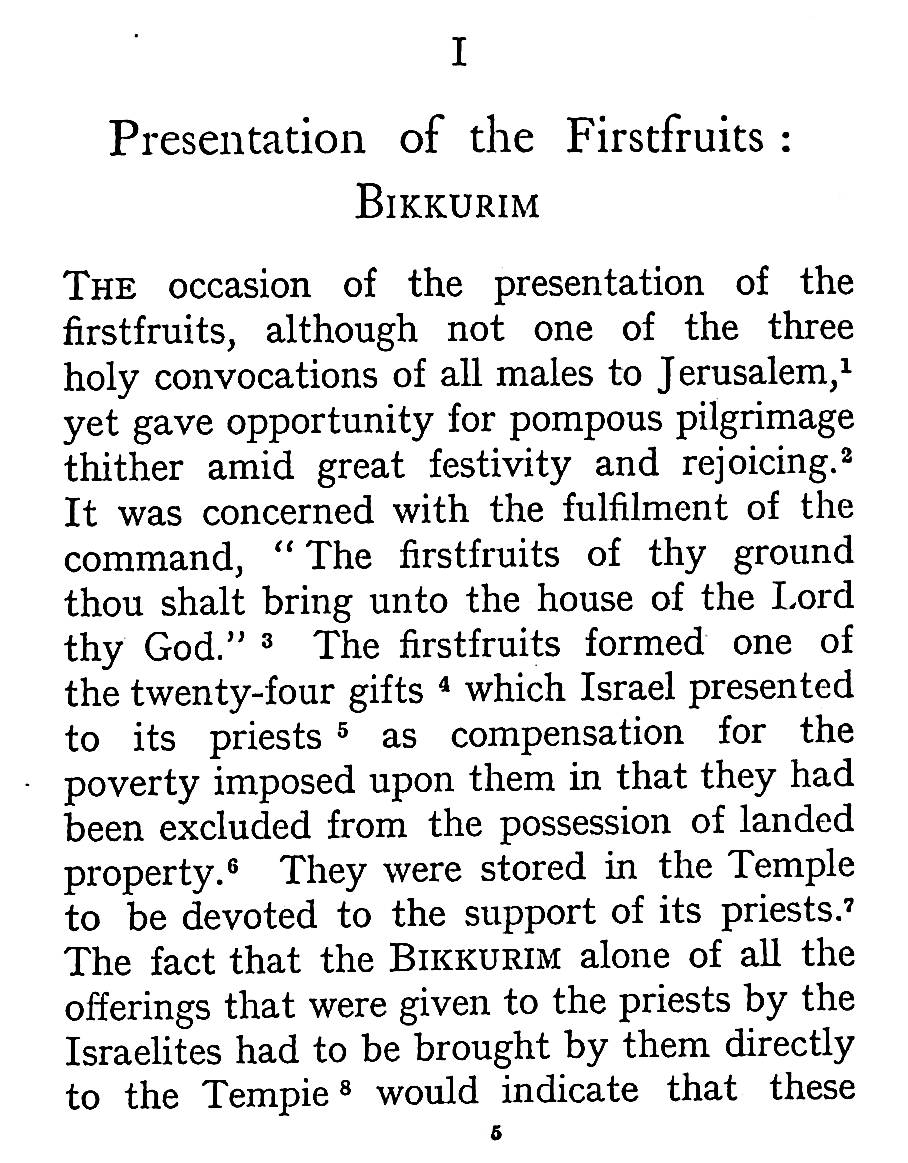
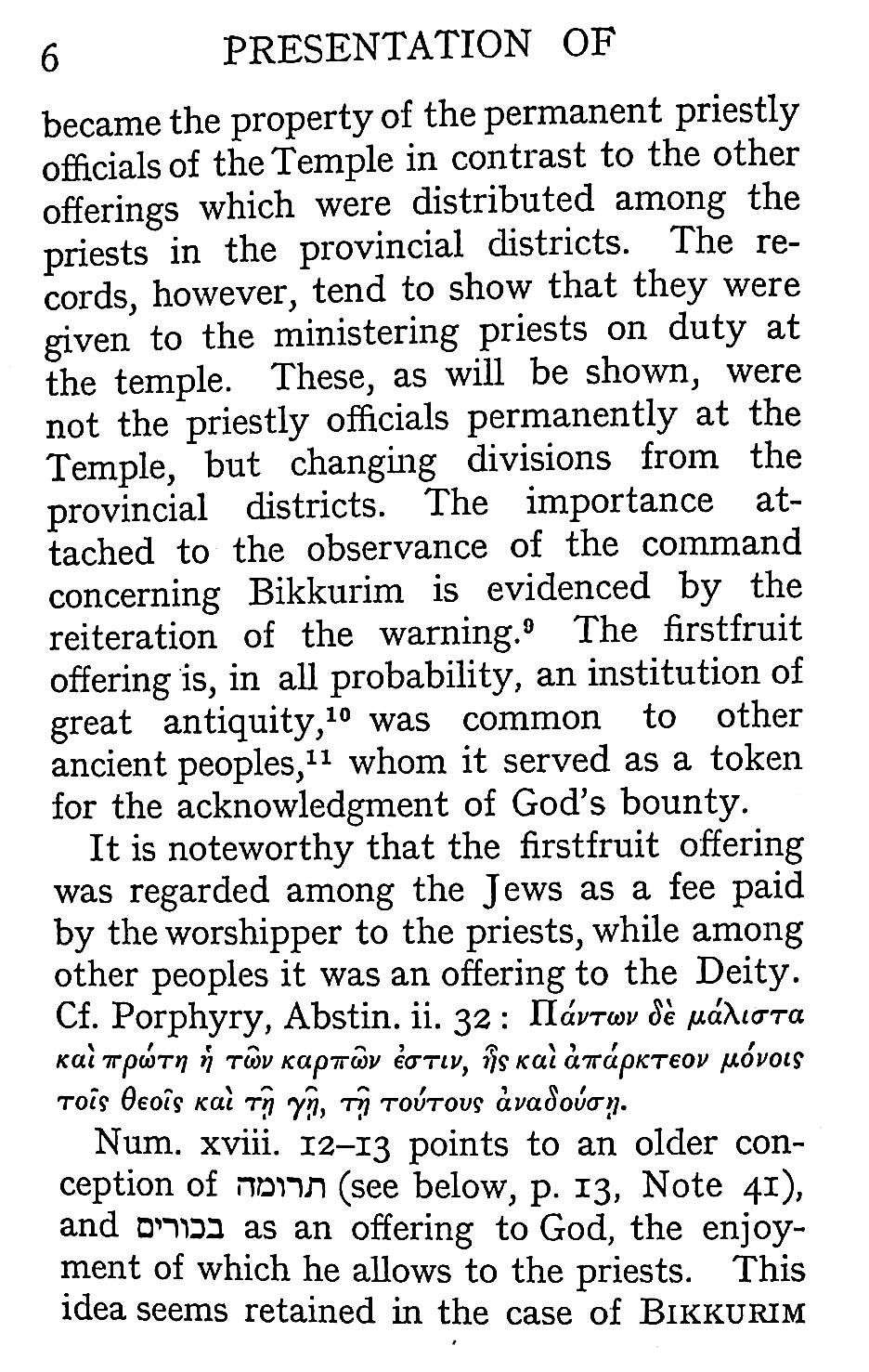
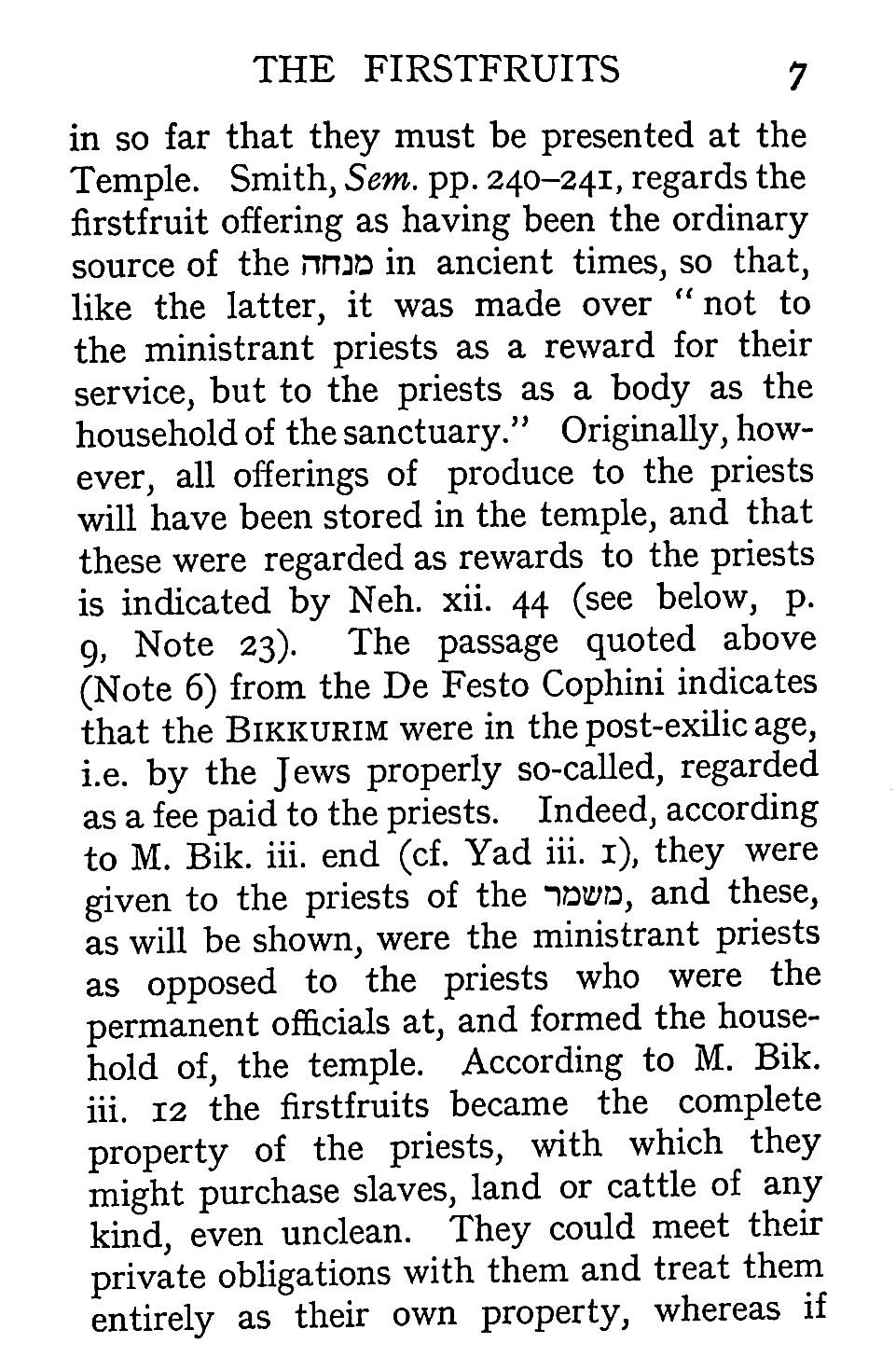
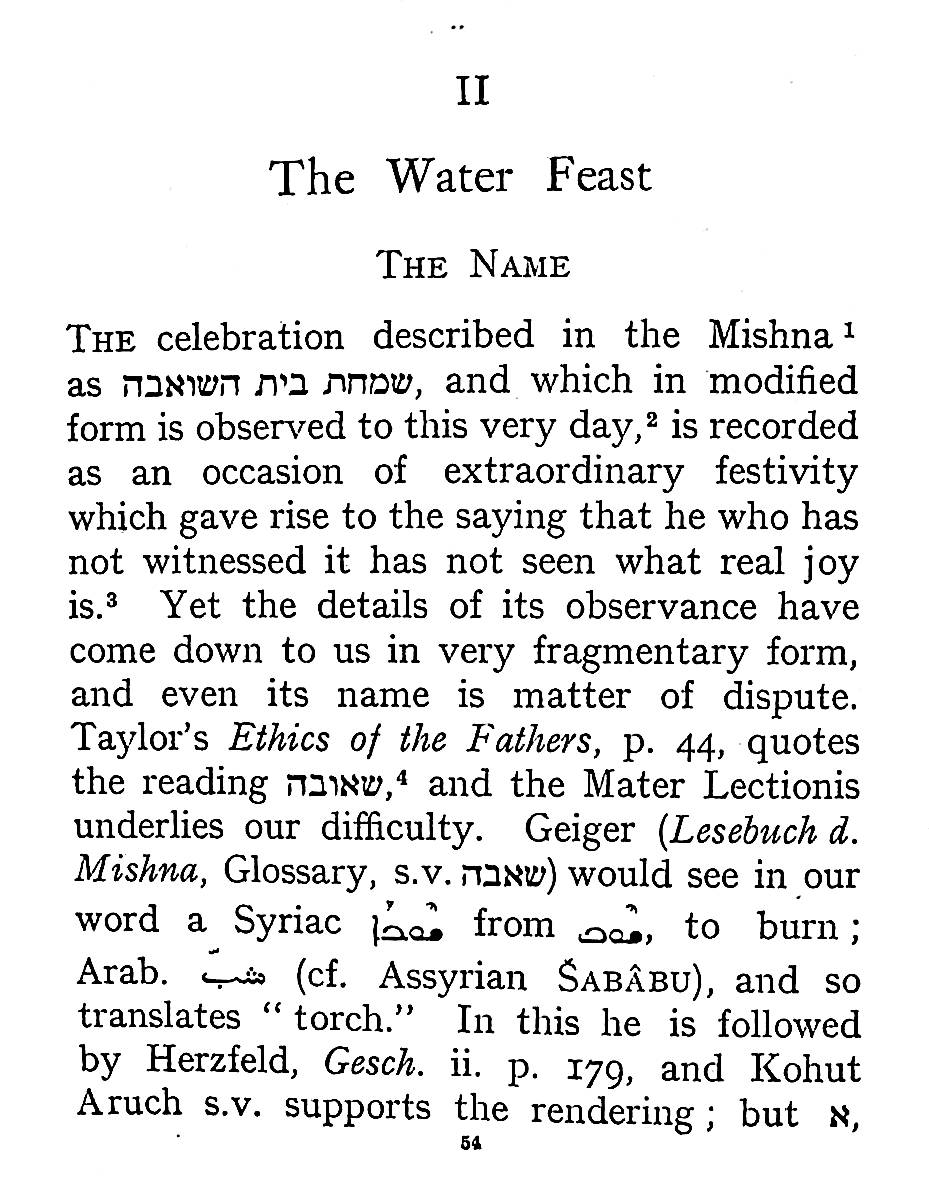
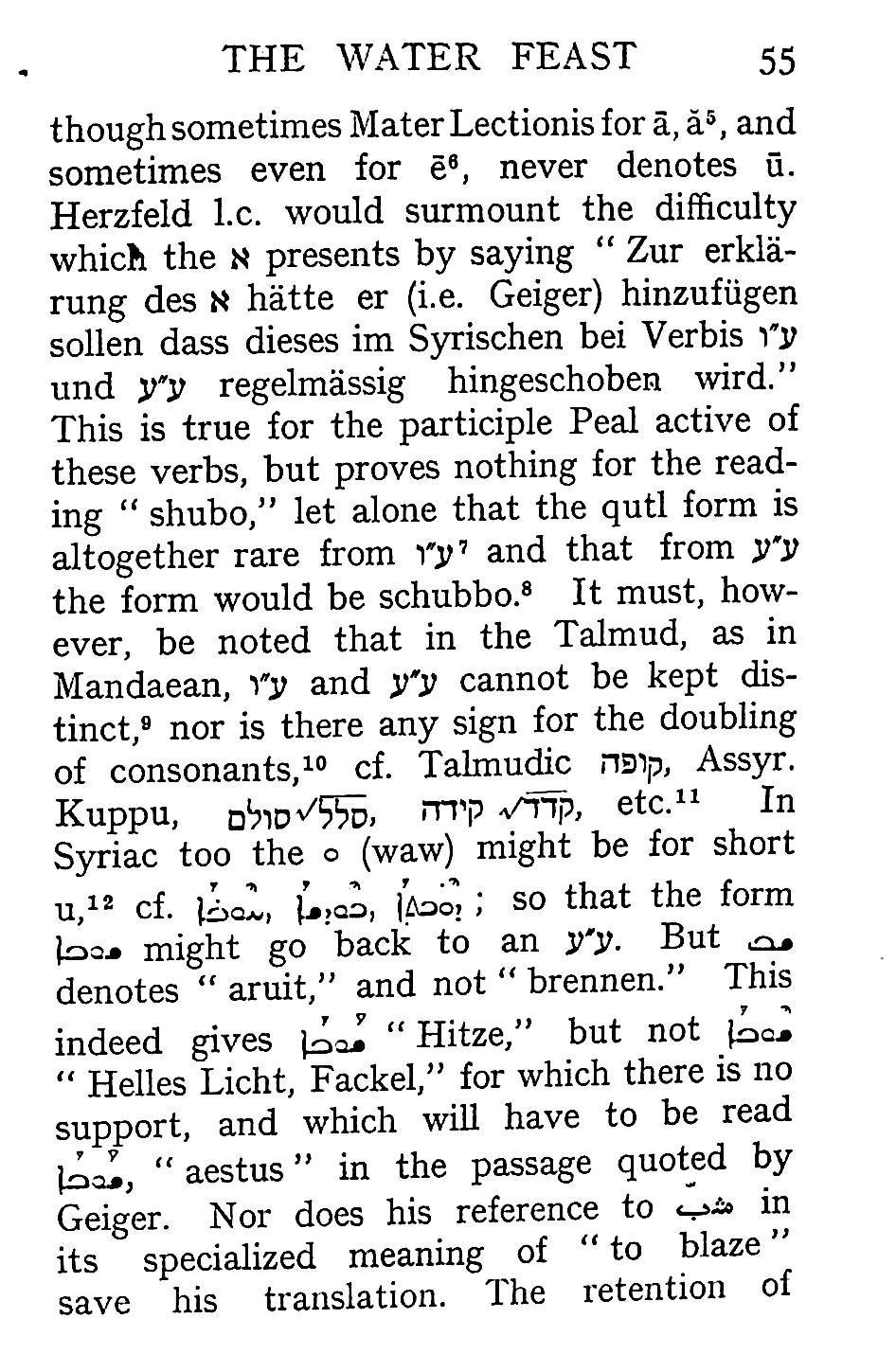
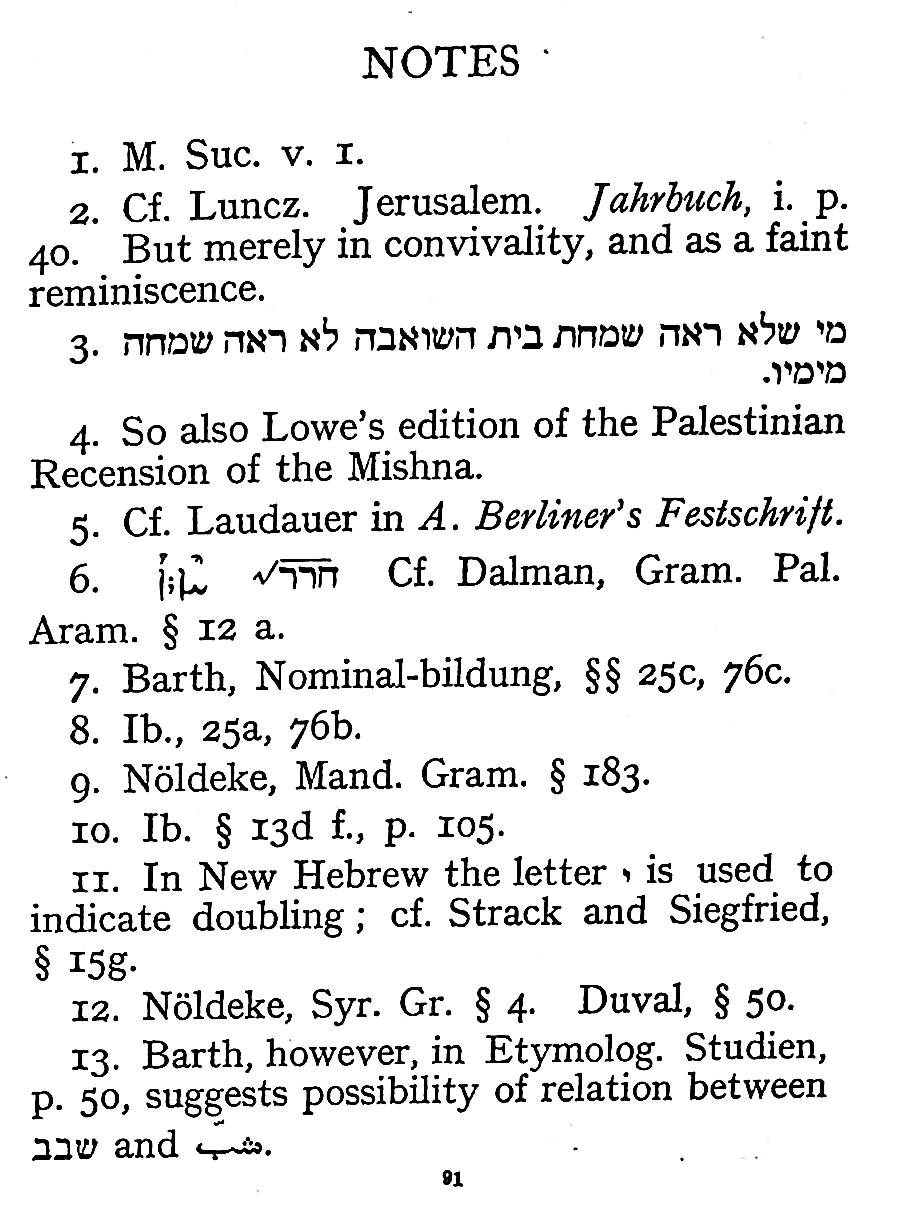
Following his thorough education, he wrote this book, Jewish Temple Festivities, based on his dissertation, which was published in 1908. (mistakenly dated in some publications as 1910 – but it was reviewed in the Jewish Chronicle in September 1908.) It is a thorough account of two important celebrations at the Temple in Jerusalem, Bikkurim, which is the presentation of the first fruits, and Simchas Beis Hashoeva, which is the water feast or celebration held during Succos (Tabernacles).
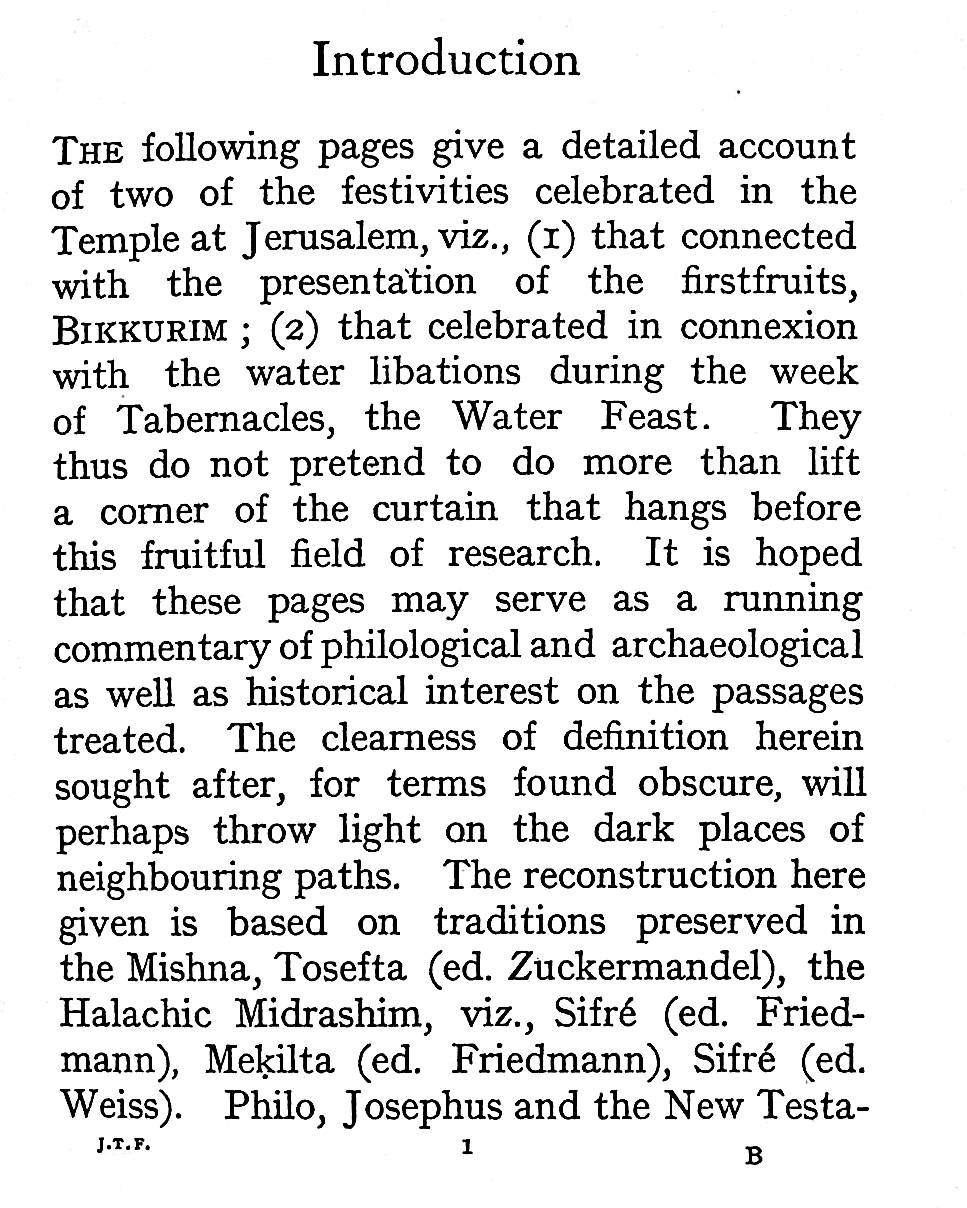
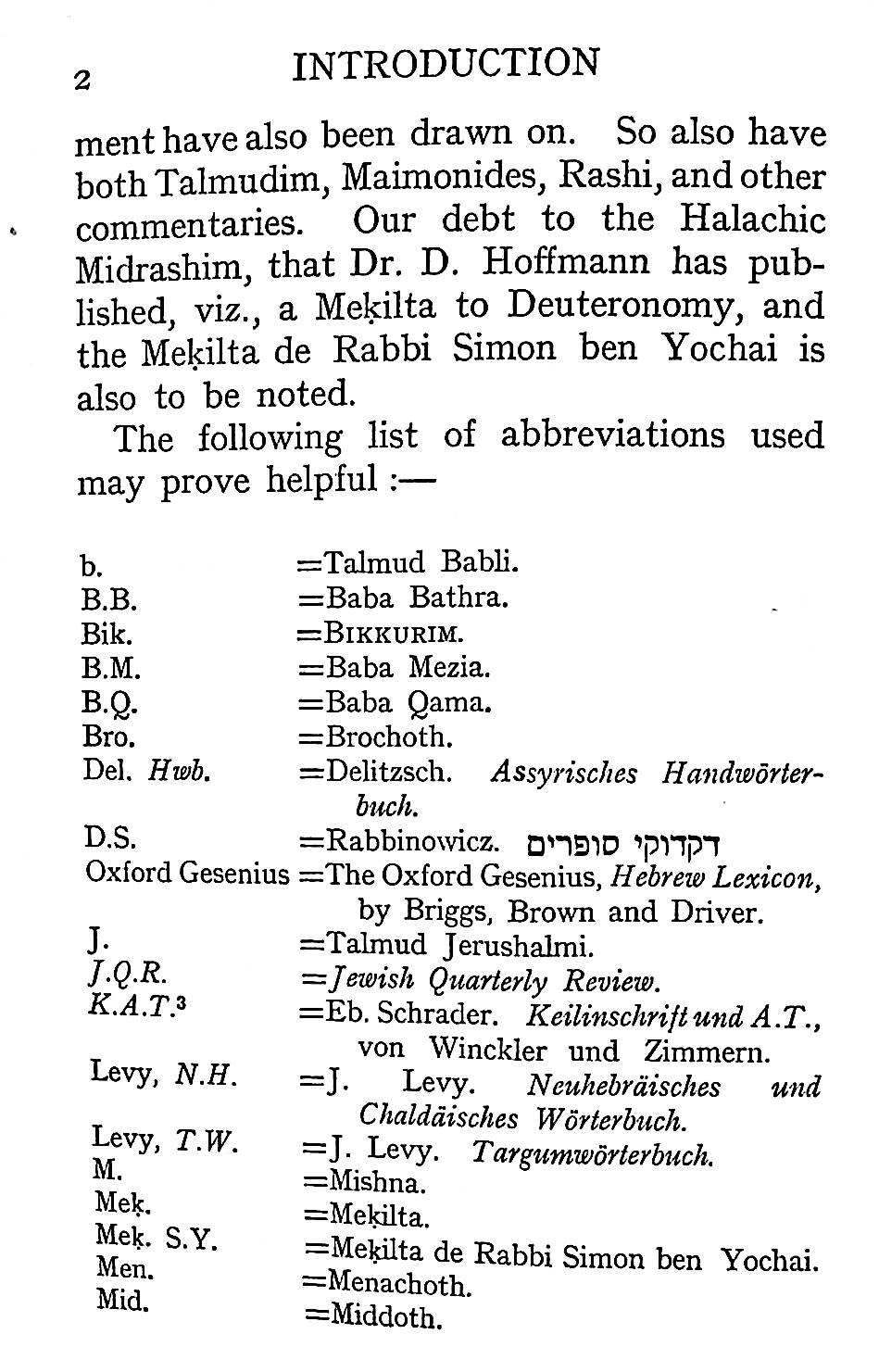
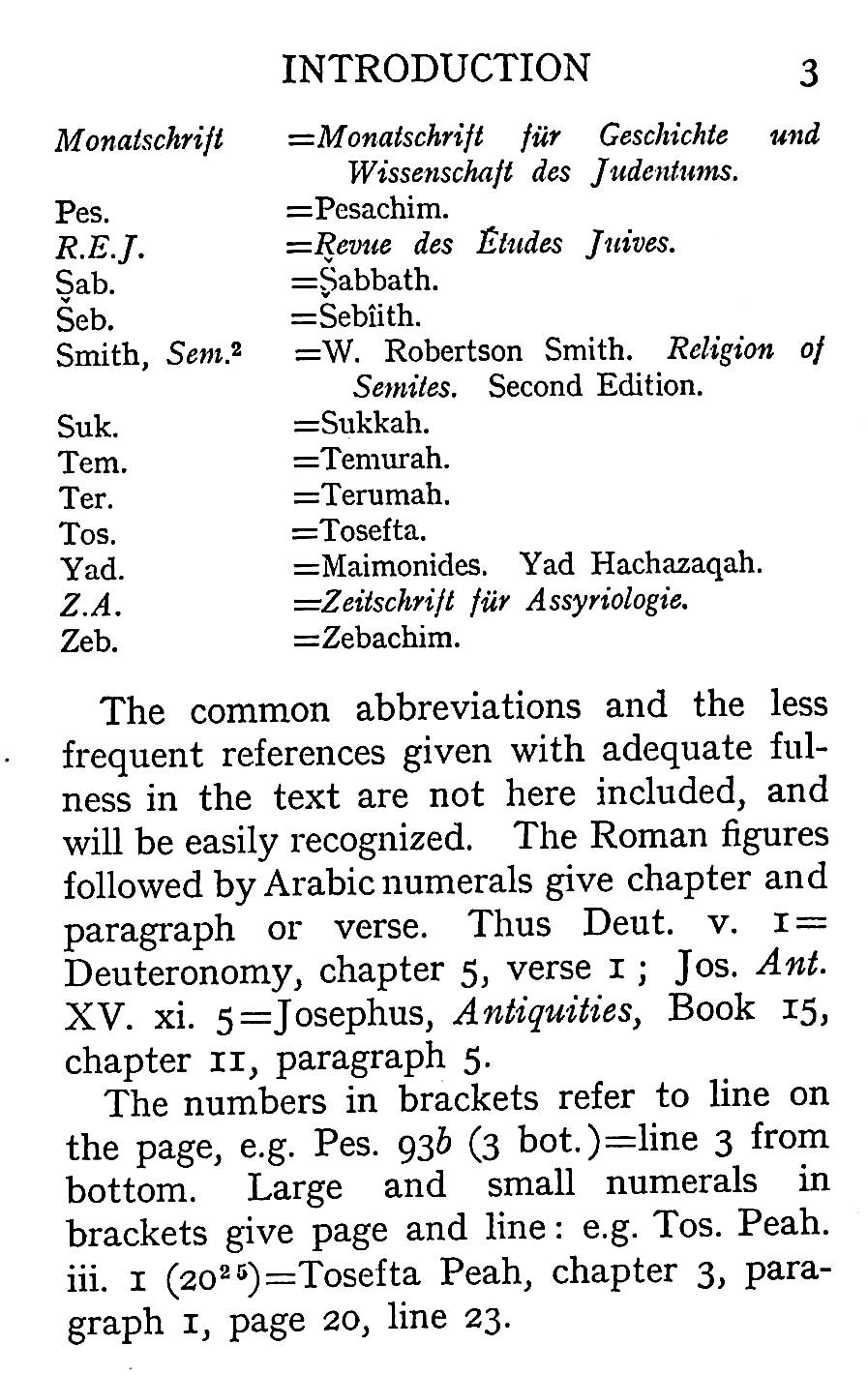
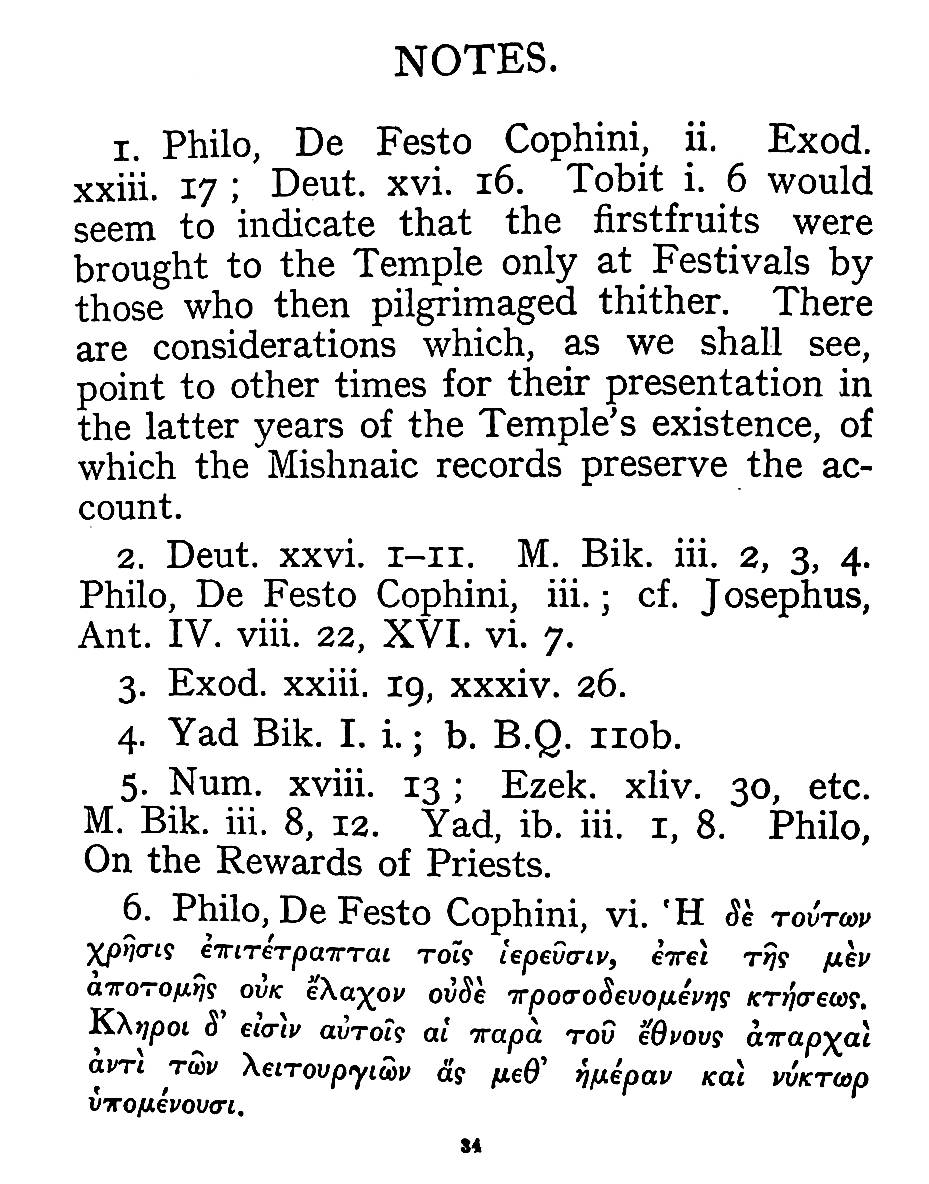
He reconstructs these celebrations using many sources, including both the Talmud Bavli and Yerushalmi, the Yad Hachazakah of the Rambam, halachic midrashim that were published by Rabbi Dr. David Hoffman, such as the Mekilta de Rabbi Shimon ben Yochai etc., as well as other ancient sources such as Josephus’s Antiquities, always being careful to quote page numbers and even the line on the page.
Joseph Hochman also edited The Jewish Review with Norman Bentwich.
However, as a young intellectual thinker, Joseph Hochman was very questioning. On Rosh Hashanah in 2010 he gave a sermon in the New West End Synagogue entitled “Orthodoxy and Religious Observance” in which he said orthodoxy has no place in the religion of the modern world. The Chief Rabbi, Herman Adler, demanded that Hochman retract this statement in his Yom Kippur sermon which had to be submitted to the Chief Rabbi first for approval, which he did.
Hermann Adler died soon after, and in the period before Chief Rabbi Hertz was appointed, Hochman called for the reform of the office of Chief Rabbi and for shortening the Shabbos services. Hertz disliked Joseph Hochman, perhaps because Hertz had originally hoped to get the New West End Synagogue position. In 1915 relations between the Chief Rabbi and Hochman deteriorated and Hertz regarded him as a reformer opposing the United Synagogue traditionalism. In 1915 Joseph Hochman resigned and joined the army.
Joseph Hochman explained his resignation in the Jewish Chronicle:
“I did so because I found the synagogue out of touch with the spirit and purpose of true rabbinic teaching. To put the matter in a sentence, the so-called conservative Jew at the present time is hampered, and in his religious practice reduced to a sham, because he professes in public, though often not in private, a conformity to a set of ecclesiastical ordinances framed for a total different civilization. My standpoint, from the time I entered the ministry, was that the variation of the circumstances in which we lived demanded the proper adaptation of those ordinances to the changing times, and that there is nothing inconsistent with the spirit and purpose of traditional Judaism to such adaptation. On the contrary, traditional Judaism requires it.”
After the war he reinvented himself as a lawyer, was called to the bar, and became a legal advisor to the King of Siam.


Good Morning Jeffrey,
I believe there might be a typo in the line you wrote below?
Warm wishes,
Jeremy
>
Jeremy – thanks – I fixed it (if I found the one that you were referring to).
– Jeff